World of Gaianar - Third Edition
The World of Gaianar
Third Edition
Menu
  • External link opens in new tab or window
  • External link opens in new tab or window
  • External link opens in new tab or window
  • External link opens in new tab or window

Mathematician - Spiritual Powers - Tier 2

Quick Links: External link opens in new tab or windowTier 1 | External link opens in new tab or windowTier 2 | External link opens in new tab or windowTier 3 | External link opens in new tab or windowTier 4 | External link opens in new tab or windowTier 5


Mathematicians are a scholarly character class. They have poor combat skills and low hit point accumulation. However, they have five Tiers of spells as well as a large number of spells within each Tier. By solving complex formulas, a Mathematician can create geometric structures from nothing, grant animating to inanimate objects, create protective barriers, and summon weapons of exquisite sharpness. Most formulas can be cast from a distance and thus allowing the Mathematician a better chance of surviving combat.  

Compression0.5 BMS | Shrinks a person or object. 1 turn/level

CompressionCompression

Tier: 2
Computation: 3 segments
Area of Effect: One person or object
Range: 1// per level, line of sight
Glass Required: Yes
Duration: 1 turn per level
B-M-S Cost: 0.5
Classification: Transformation

This function enables a person or object to be temporarily shrunk down to 50% normal size. The shrinking of an object does not affect any of its properties. A shrunken person could still have normal BAtCh, Hit Points, AC, and the like. However, the individual's weapon damage and movement speed would be quartered (because two-dimensional objects shrink in proportion with the square.) The weight of a shrunken person of object decreases with the cube. In other words, a character that is shrunk to half size would weigh one-eighth as much (likewise, a character who somehow doubles in size would weigh eight times as much! Don't believe it? Take a d6 and "double" its size by making it two dice high, two dice long, and two dice wide. You'll find you've used eight dice to accomplish this doubling of dimension.) If this function is used against an unwilling target, the individual is entitled to a save versus system shock for negation. This function can affect 30 pounds per level of the Mathematician. If the target is too massive, the formula simply fails.


This power cannot be used to create an "instant slay" condition. For example, a Mathematician cannot use Compression to shrink an annoying merchant's tie by 50%, thus instantly strangling the man. The shrinkage will always stop after doing a maximum of 1d6 points of damage. Supernatural items get a +1 save versus harmonics per degree of enchantment to negate the effects of this formula.


Changes from the printed (book) version: the target's save is system shock instead of magical weapon. The duration is now turns per level instead of rounds per level (in keeping with the Mathematician's other "utility" spells).
Dark Matter Barricade1.0 BMS | Blocks insubstantial entities for 1 turn/level
Dark Matter Barricade

Dark Matter Barricade

Tier: 2
Computation: 1 segment
Area of Effect: One 10'x10' pane per level
Range: 1// per level
Glass Required: Yes
Duration: 1 turn per level
B-M-S Cost: 1.0
Classification: Fabrication

This formula is identical to the Tier-1 formula "Geometric Shield" with one key difference. Instead of erecting wards against physical objects, this formula erects barriers comprised of dark matter. Therefore, creatures and entities that could normally pass-through ordinary matter (such as ghosts, spirits, insubstantial beings, and individuals in the process of teleporting) would find the Dark Matter Barricade to be quite solid. Conversely, flesh-and-blood ordinary beings (and their weapons) would pass through the Dark Matter Barricade as if there was no barrier at all. In essence, the Game Master may consider the Dark Matter Barricade to be a Geometric Shield when dealing with insubstantial entities.

Changes from the printed (book) version: The formula no longer inflicts damage to organic life. It does, however, block insubstantial opponents and blocks teleportation.

Dark Matter Beacon1.0 BMS | Illuminates out-of-phase entities. 1 turn/level.

Dark Matter BeaconDark Matter Beacon

Tier: 2
Computation: 1 segment
Area of Effect: 2// sphere, 5// cone, or 15// beam
Range: Touch
Glass Required: Yes
Duration: 1 turn per level
B-M-S Cost: 1.0
Classification: Utility

This formula is similar in theme to the Tier-1 formula "Light" but with one important difference: The "light" generated by the Mathematician's tablet is not in the visible spectrum but is instead a form of "dark" illumination that reveals the presence of invisible entities, creatures/objects comprised of dark matter, out-of-phase beings, insubstantial foes, spirits, and ghosts. Once illuminated, the creatures revealed appear as a wireframe outline that can then be easily targeted by the Mathematician and his/her allies (presumably with magical weapons, spells, or energy devices that can harm insubstantial beings).

Changes from the printed (book) version: The formula has been reworked to become a "dark" Light formula. This formula has been renamed "Dark Matter Beacon" from "Detect Dark Matter".
Dematerialize1.0 BMS | Mathematician becomes insubstantial for 1 round/level

DematerializeDematerialize

Tier: 2
Computation: 1 round
Area of effect: The Mathematician
Range: Internal to the Mathematician
Duration: 1 round per level
Glass required: No
B-M-S cost: 1.0
Classification: Transformation

This formula allows the Mathematician to excite the atoms in his/her body in such a way as to fall out of phase with most ordinary matter. While dematerialized, the Mathematician can walk through walls of wood, brick, and stone with ease. Likewise, the Mathematician can fly  (at MC(A)) at his/her normal running speed or swim through water at his/her normal running speed. However, the Mathematician must take care not to touch anything of iron lest the formula end immediately (this includes being shot with an iron projectile). From an atomic perspective, iron is a universal energy-draining material (it also kills stars).  Of course, a Dark Matter Barricade would also be a significant barrier to a Mathematician in a dematerialized state.

Changes from the printed (book) version: The Mathematician no longer takes extra damage from wind-based attacks but instead is now vulnerable to iron. this formula has been renamed "Dematerialize" instead of "Demolecularize"
Fractal Replication0.75 MBS | Makes bulk copies of ordinary objects. Permanent

Fractal ReplicationFractal Replication

Tier: 2
Computation: 4 segments
Area of Effect: 1 object (5 pounds/level if solid or 1 gallon/level if liquid)
Range: 1// line of sight
Glass Required: Yes
Duration: Permanent
B-M-S Cost: 0.75
Classification: Fabrication

This function creates an imperfect copy of an original material item. For example, a Mathematician could copy a sword using this function, but the copy would be -2 in all functions (useful for sale to a theater production). A copied book would be legible, but may have spelling errors, inconsistent font, or missing punctuation. Copied jewelry would be heavily flawed (a flawed diamond is still useful for its sharpness and hardness however.) A copy of an intensity 5 antitoxin would function as an intensity 3 antitoxin. Copied gasoline would still burn but the fuel economy of the vehicle would be reduced by 10%. Copied food would be edible and nutritious, but the flavor would be diluted. Money would be obviously counterfeit, but an unscrupulous Mathematician could still pass it off to a drunkard, beggar, or fool.

This function was designed primarily for the replication of bulk items, such as grain, water, coarse cloth, travel rations (since they already don't have much flavor), twine and the like.  All copies of items function at -2 (or equivalent) in all respects. Supernatural items cannot be copied. An object that is the result of being copied cannot be copied further (i.e. one cannot make a copy of a copy.)


If the formula is used on lightweight objects, the spell will make numerous copies of the same object until the weight allowance is expended. Thus, a Level 5 Mathematician using this formula on a one-pound ration bar would end up with 25 replicated ration bars.


Changes from the printed (book) version: The yield is increased to 5 pounds per level (solid) or 1 gallon per level (liquid). The spell copies up to the weight limit.

Fractal Vines1.5 BMS | Snares foes for 1 turn/level
Fractal Replication

Fractal Vines

Tier: 2
Computation: 1 round
Area of Effect: One 10'x10' region per level
Range: 2// per level
Glass Required: No
Duration: 1 turn per level
B-M-S Cost: 1.5
Classification: Fabrication

This formula is essentially a beefed-up version  of Fractal Ferns. In this variant, foes entering a region populated by Fractal Vines must make a Save vs. Area Effect or be rooted in place. Anyone making a successful save can advance up to 2// in any direction (presumably to somewhere outside the area of effect. Anyone remaining within the boundaries of the Fractal Vines must make a new saving throw each round or be immobilized. Targets ensnared by vines can still do other actions such as case spells or fire missile weapons. They are, however, unable to advance or retreat until the vines are destroyed. A 10'x10' square of vine-covered ground has one Structural Point of resistance and AC(5). The vines can also reach up to 10' in an attempt to ensnare flying or levitating foes.

The Mathematician has great leeway in the placement of the Fractal Vines. The 10'x10' squares can be adjacent or can be placed diagonally (as one might see on a chess board).  This spell differs from the more powerful, Tier-3 variant in that the Mathematician can cast more squares at higher level compared to Fractal Thorn Vines, but the weaker spell does not inflict damage to the targets.


Changes from the printed (book) version: The vines now immobilize unless destroyed or if the target makes a successful saving throw.
Geometric Sphere1.5 BMS | ensnares foes in a bubble for 1 turn/level.
Geometric Sphere

Geometric Sphere

Tier: 2
Computation: 1 segment
Area of Effect: One 1// sphere per five levels
Range: 1// per level, line of sight
Glass Required: Yes
Duration: 1 turn per level
B-M-S Cost: 1.5
Classification: Fabrication (or Combat)

This variation on Geometric Shield allows the Mathematician to ensnare foes in rigid bubbles. This tactic is useful when the goal is to capture an enemy rather than slay. The sphere is gas-permeable and thus captured foes do not asphyxiate. When used on an enemy, the sphere is anchored in place to the ground, floor, wall, or nearest flat surface.

Alternatively, the formula can be used on the Mathematician or his/her companions. This formula is useful against protecting the allies from drowning or getting cut to ribbons from an explosion. The protective bubble does not necessarily have to be anchored in place when used on allies. For example, the Mathematician on a sinking ship could cast this formula on himself (and his companions) and then "walk" to shore instead of having to swim.

Changes from the printed (book) version: Instead of the size of the sphere being scaled to the Mathematician's level, the quantity of spheres are scaled to level.
Geometric Walkway1.0 BMS | Creates a horizontal plane of force for 1 turn/level

Geometric WalkwayGeometric Walkway

Tier: 2
Computation: 1 segment
Area of Effect: One 10'x10' pane per level
Range: 1// per level
Glass Required: Yes
Duration: 1 turn per level
B-M-S Cost: 1.0
Classification: Fabrication

Geometric Walkway is essentially a horizontally aligned version of Geometric Shield. The conjured walkway must be flat. However, this formula is quite handy for crossing expanses that had been served by a now-collapsed bridge. It is also quite handy in avoiding land mines or other kinds of traps hidden in floorboards or buried in the ground. Likewise, Geometric Walkway is an elegant way to get past quicksand or contaminated ground. The Mathematician can, of course, cause a horizontal pane to be smaller than 10'x10'. For example, a three-foot-wide hole in the floor could temporarily be patched with Geometric Walkway.

Note, however, that all panes must be flat. Should the Mathematician need a ramp up or some kind of series of steps, the formula to cast is Geometric Staircase.   
Heat or Cool Object0.5 BMS | Kinetically excites/drains objects for 1 round/level

Heat and Cool ObjectHeat or Cool Object

Tier: 2
Computation: 3 segments
Area of Effect: One object (5 pounds per level)
Range: 5//
Glass Required: Yes
Duration: 1 round per level
B-M-S Cost: 0.5
Classification: Combat (or Elemental)


This formula allows the Mathematician to either excite or slow the kinetic energy of a targeted object. The net effect is that the object either becomes very hot or very cold. Note that only objects (not living organisms) can be targeted. However, many Mathematicians have used this formula in combat to make an enemy's sword too hot to touch or give hypothermia to an enemy wearing a suit of metal armor. Likewise, Constructs can be directly targeted (since a few of them may qualify as "living" but none ever qualify as "organisms").


The extent of the hot/cold effects scale with the Mathematician's level:


Mathematician's LevelHeating EffectCooling Effect
1 to 5Object is uncomfortable to touch (-1 to all actions).Object is chilling to the touch. Skin making contact with the object goes numb.
6 to 10Object is burning hot. Anyone touching the object takes 1d6 damage per round. Paper burns. Water boils.Object is amazingly cold. Anyone touching the object loses the use of the hand/foot/appendage for 1d6 rounds. Water freezes immediately.
11 to 15Object is scorching hot. Anyone touching the object takes 2d6 damage per round. Wood catches fire. Automotive coolant boils.Object is sufficiently cold to inflict frostbite. Alcohol freezes immediately. Anyone touching the object takes 1d6 damage from frostbite. Affected limbs are unusable for 1d6 turns unless magically healed.
16 to 19Metal begins get hot enough to glow and become soft. Anyone coming in contact will take 3d6 damage per round. Welding is possible at this level.Object is sufficiently cold to freeze antifreeze. Anyone touching this object must Save vs System Shock or fall into a comatose state from hypothermia and also take 2d6 damage per round.
20Metal melts (as in a forge). Anyone coming into contact with the object will take 5d6 damage per round.The Mathematician can create liquid nitrogen with this formula. Anyone coming into contact takes 4d6 damage per round and must save versus system shock to avoid breaking the appendage.


Changes from the printed (book): The spell effect lasts rounds per level (in keeping with other combat spells). The damage effects are more consistently scaled.
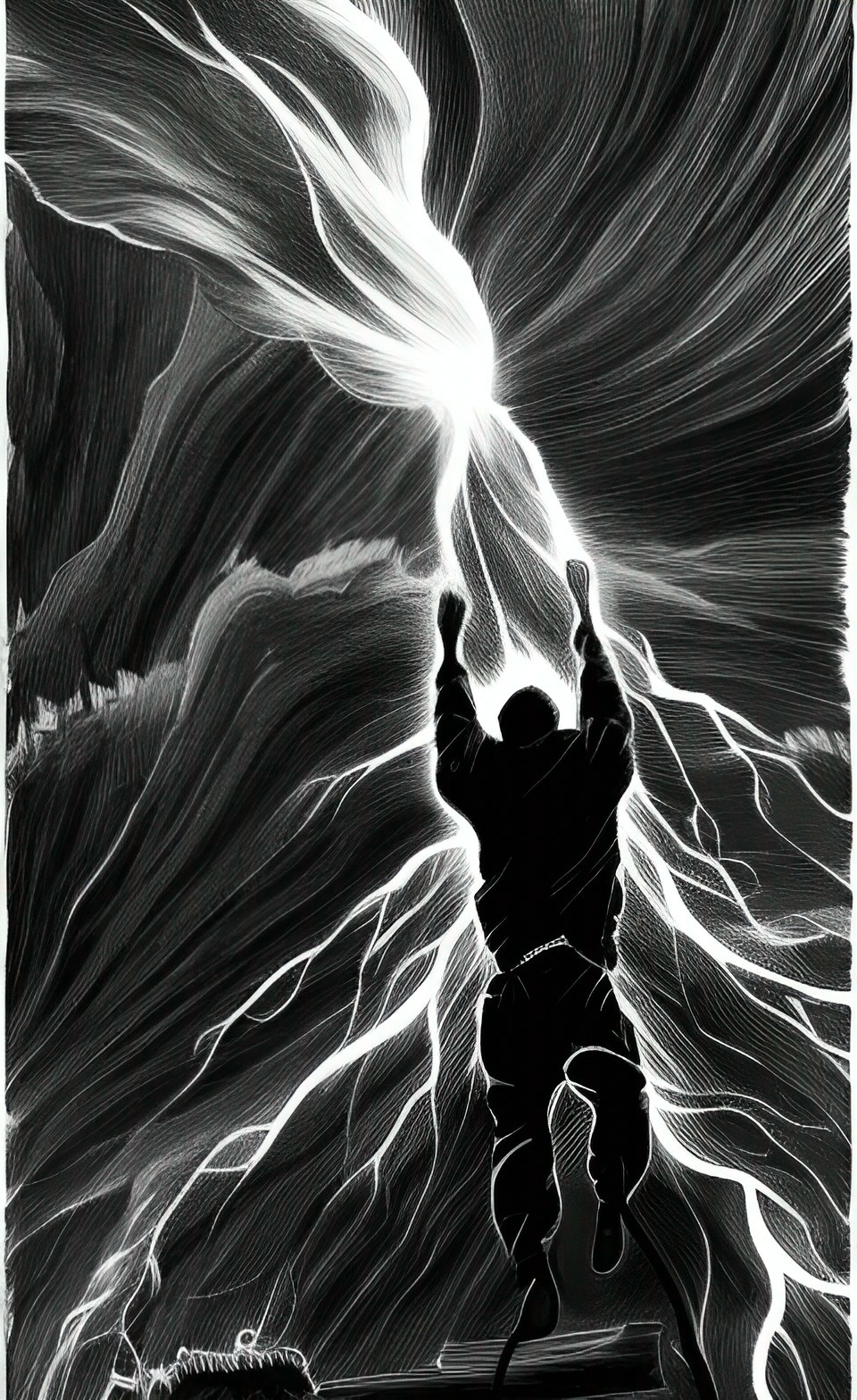

Incomprehensible Convulsions1.25 BMS | Gives foes convulsions for 1 round/level

Inflict ConvulsionsIncomprehensible Convulsions

Tier: 2
Computation: 5 segments
Area of Effect: Foes within 30' of the floating display
Range: 1// per level
Glass Required: Yes
Duration: 1 round per level
B-M-S Cost: 1.25
Classification: Mind

This formula is essentially a beefed-up version of Incomprehensible Flicker. The formula calls into being a 10'x10' floating pane that displays a view into the Imaginary Realm. So vivid is the imagery and so incomprehensible the content that any foes who fail a Save vs. Sleep/Charm will be racked with convulsions (and effectively be incapacitated) for the duration of the formula. Each round of convulsions inflicts one hit point of damage (due to muscle spasms). As with Incomprehensible Flicker, any intentional attack against the victims of this formula will end the effect prematurely. The visual range for this manifestation is 30' from the floating pane. Constructs and the Undead are immune to this spell due to having insufficient imagination.


Changes from the printed (book) version: This is actually a new spell. Fractal Ferns, however, is discarded in its entirety.
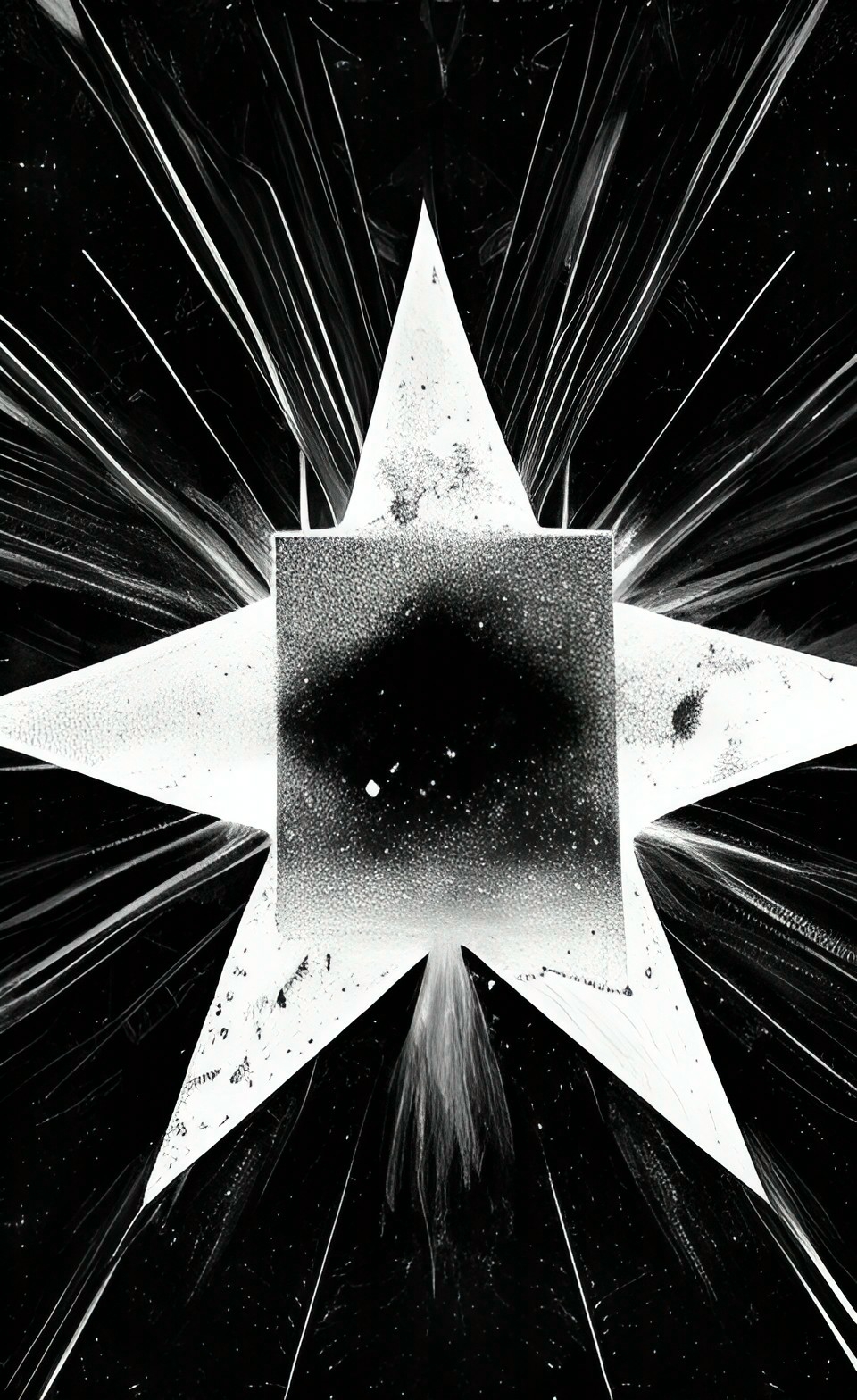
Monofilament Throwing Star1.25 BMS | Creates a missile weapon. Lasts 1 round/level

Monofilament Throwing StarMonofilament Throwing Star

Tier: 2
Computation: 2 segments
Area of Effect: The synthesized item
Range: 10// line of sight
Glass Required: No
Duration: 1 round per level
B-M-S Cost: 1.25
Classification: Combat

This formula creates a temporary weapon out of pure geometry. By all appearances, the conjured throwing star appears to be made of shimmering, high-quality glass. It is, however, made of the same virtual substance as a Geometric Shield (and related formulas). Targeting with the Monofilament Throwing Star operates on the principle of the Ranged Touch Attack. This type of attack is calculated using the Mathematician's melee BAtch against armor class 10 (think of "touch" football where a tackle is just a slap on the back).

Once launched, the throwing star will disappear once it has struck the intended target and then reappear in the Mathematician's hand at the beginning of the next combat round. Alternatively, it will disappear at the edge of the 10// range limit and reappear in the Mathematician's hand if he/she misses in the attack roll.

The damage inflicted depends on the type of target specified:
    • Ordinary non-living matter: 1d4
    •  Living matter (and people): 2d4
    • Energy-based shields not created by pure geometry: 3d4
    • Constructs and geometric contrivances: 4d4

Changes from the printed (book) version: "Ranged touch attack" is explained; the damage is scaled more logically; the range is now a multiple of 5 or 10 (in keeping with the theme of Mathematician formulas).
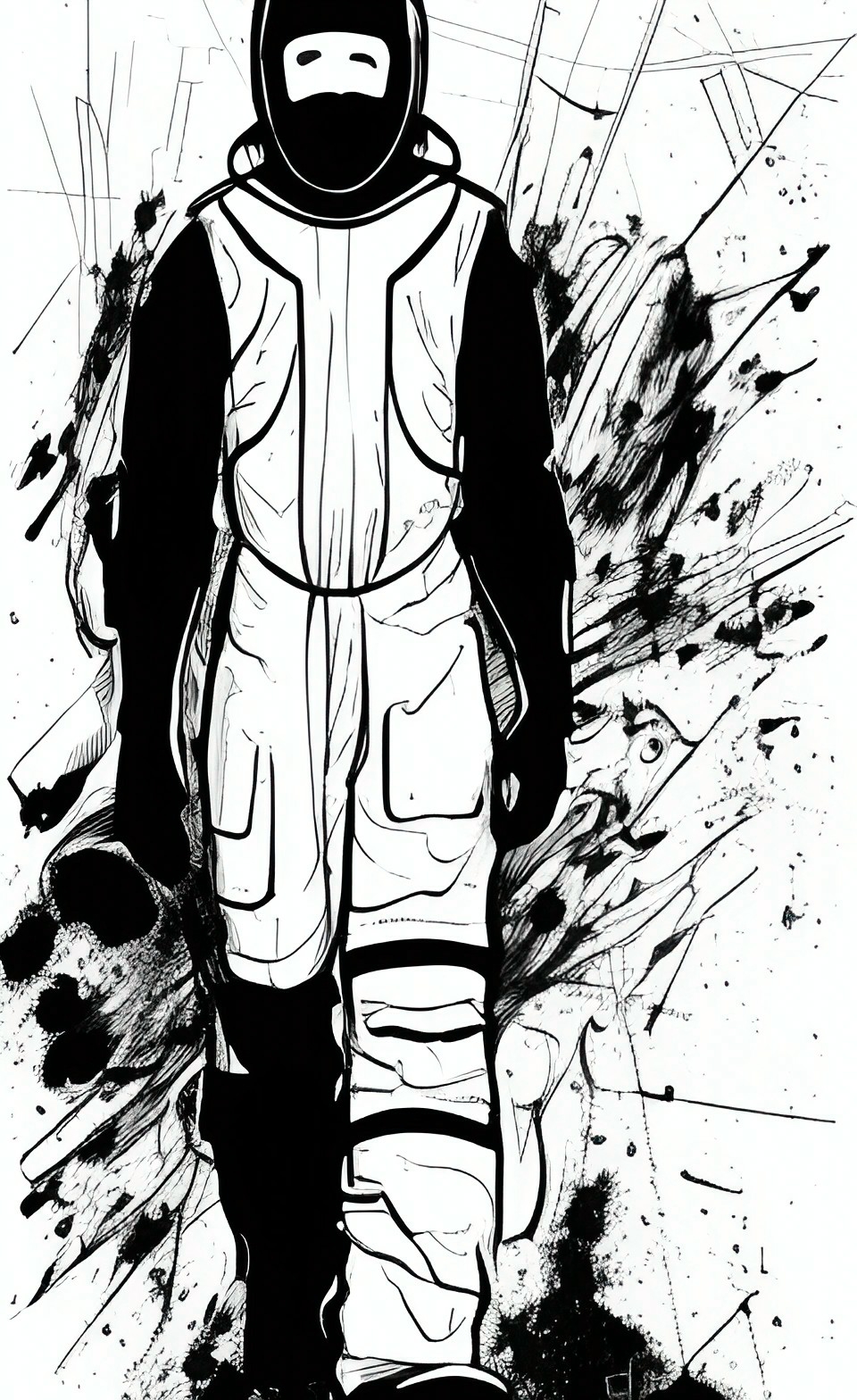


Protection from Radiation1.5 BMS | Creates a spherical radiation shield. 1 turn/level

Protection from RadiationProtection From Radiation

Tier: 2
Computation: 5 segments
Area of Effect: One 1// sphere per five levels
Range: 1// per level, line of sight
Glass Required: Yes
Duration: 1 turn per level
B-M-S Cost: 1.5
Classification: Defense

While similar in theme to Geometric Shield in that the formula creates spherical regions of force, the Protection From Radiation manifests as a powerful bubble of magnetic force that centers on the Mathematician (or the target of the formula that the Mathematician seeks to protect.) Unlike Geometric Shield, this formula does not protect from any form of physical attack. Instead, the magnetic force generated shields the protected person from 5 REM of radiation per round, per level of the Mathematician. Thus, a 10th level Mathematician could create a shield that would absorb 50 REM worth of radiation each round for the duration of the effect. Note that the radiation shield will light up with shimmering, scintillating patterns (like a miniature aurora borealis  when actively deflecting harmful radiation. The shield protects against common forms of radiation such as ultraviolet, x-rays, gamma rays, high-intensity microwave, alpha and beta particles, and cosmic rays. The Game Master could also rule that this formula offers a defense against exotic forms of radiation not yet known (such as radiation emitted by creatures composed of dark matter).

Changes from the printed (book) version: This formula has been completely rewritten and replaces Protection From Dark Matter (which has been discarded). 
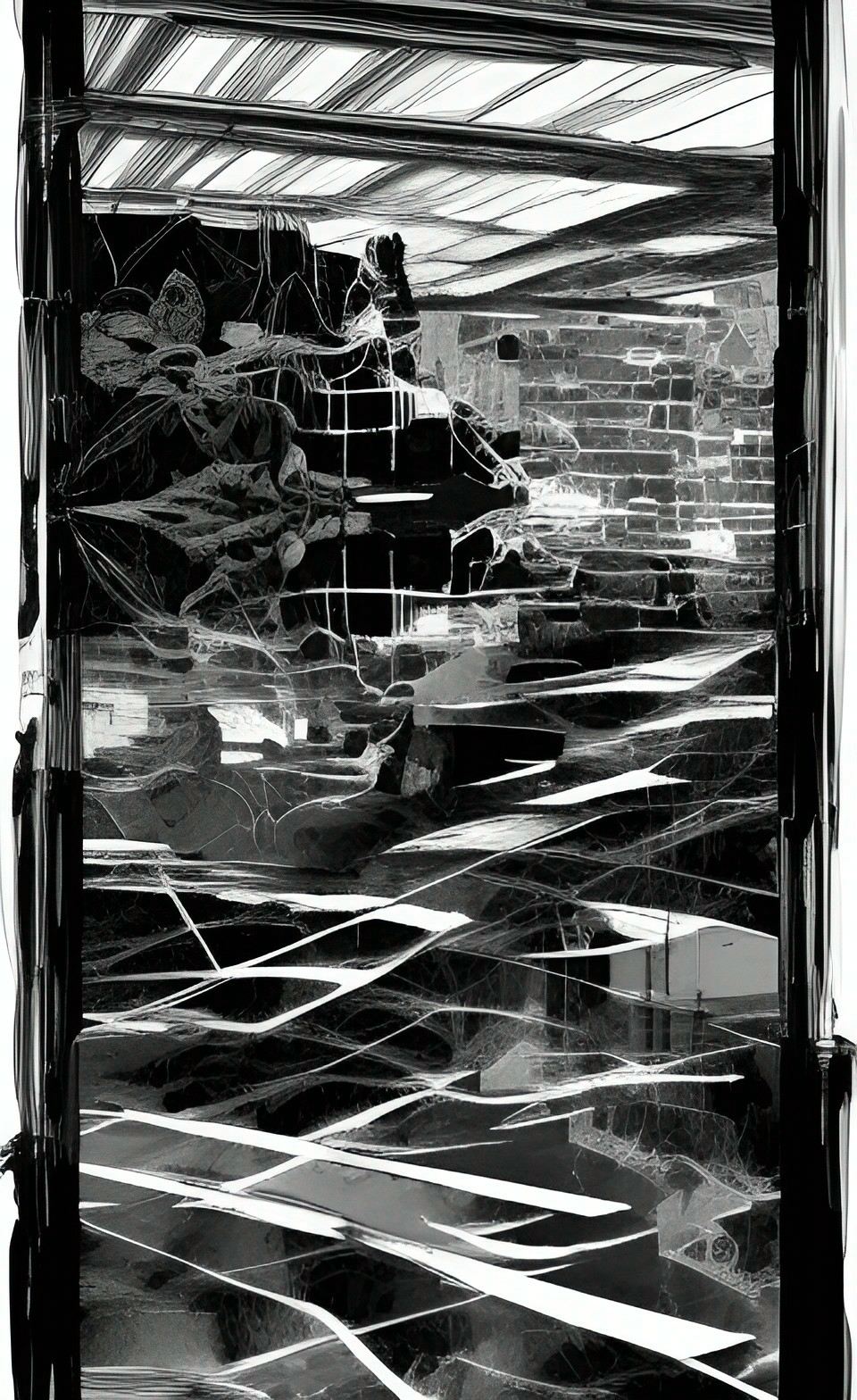

Scattered Images1.0 BMS | False images of the Mathematician. 1 round/level

Scattered ImagesScattered Images

Tier: 2
Computation: 7 segments
Area of Effect: Projections within 2// of the Mathematician
Range: Internal to the Mathematician
Glass Required: No
Duration: 1 round per level
B-M-S Cost: 1.0
Classification: Defense

This formula creates holographic projections of the Mathematician that appear at random positions within 2// of the Mathematician's current position. These illusions cannot cast spells or attack. However, they can appear to do so (weapon attacks and spell effects are just as illusory as the images of the Mathematician). The false images cannot, however, speak.

The primary purpose of this formula is to confuse an enemy into attacking a false version of the Mathematician. If a holographic projection is successfully hit (easy to do, as the images are all AC(10)), that particular instance of the projection vanishes. The Mathematician can project one image of himself/herself per level of experience. Note, another Mathematician or Gunslinger making their Resist/Detect Illusions roll will certainly be able to tell the difference between the fakes and the real McCoy. 

Changes from the printed (book) version: the formula only lasts rounds per level instead of turns per level (because this is more of a combat spell than a utility spell). The formula now creates projections that take autonomous action instead of merely copying the movements of the Mathematician.
Second Derivative1.0 | Breaks down substances into components. Instantaneous.

Second derivativeSecond Derivative

Tier: 2
Computation: 1 round
Area of Effect: One object
Range: 5// line of sight
Glass Required: Yes
Duration: Permanent
B-M-S Cost: 1.0
Classification: Transmutation


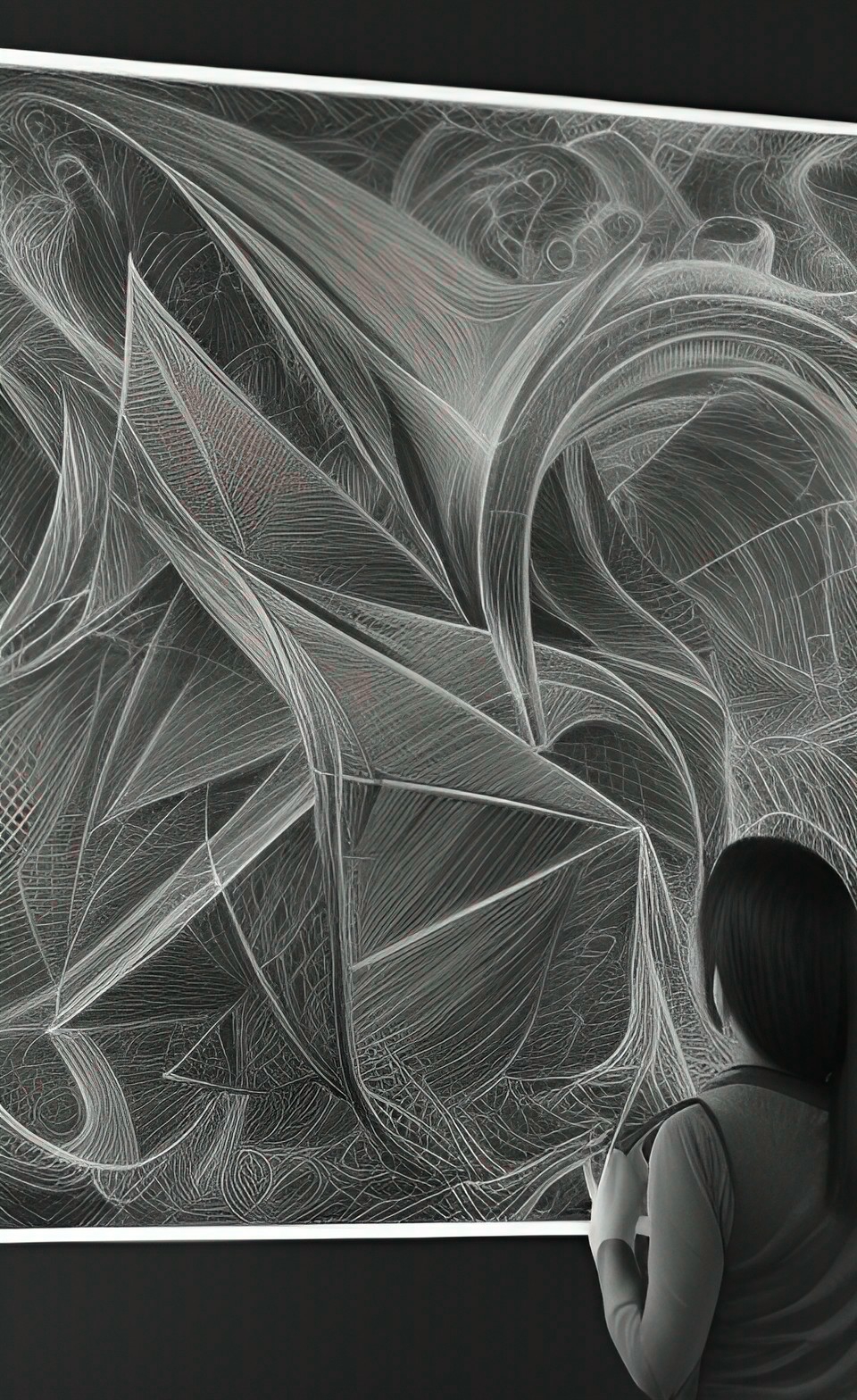
This formula is essentially an advanced version of Derivative. It can neutralize poisons, explosives, and even radioactive materials. By completing this formula, the Mathematician is able to reduce a complex chemical or amalgam into its simpler derivatives. Whereas Derivative only reduces complexity by one order of magnitude, Second Derivative reduces complexity by two orders of magnitude. For example, plutonium could be converted to lead instead of merely converted to uranium. A glass of poisoned wine could be separated so that the poison, alcohol, and grape-flavored water are all in different beakers. Second Derivative cast on a padlock would yield a small pile of screws and bits of metal
(handy for those Mathematician/Thief split-class characters).

As with Derivative,  this formula can be used to reverse the effects of an Integration. Items (or people, in the event of a particularly cruel Mathematician) can be uncombined. The normal weight and volume restrictions are ignored in the case of reversing an Integration. To determine if this operation is successful, the Mathematician invoking Derivative must match his or her level against the level of the Mathematician who cast Integration (using the External link opens in new tab or windowUniversal Matrix). If the target of the formula is unwilling, a save versus magical weapon will negate the effect.


If the formula is used for combat purposes (i.e. wrecking a solid steel door by deriving it into carbon and iron filings), it can inflict one or two structural point of damage per use (a coin toss or an odd/even die roll determines damage of 1 or 2). Consecrated/magical/supernatural items get a +1 save versus harmonics per degree of enchantment. Mundane items do not get a save, although damage is limited to one or two structural points. Typical combat uses include weakening a small area in a castle wall, weakening a section of boat hull, ruining doors and grates, and injuring Constructs.


The area of effect depends on the type of object targeted. This formula can affect five pounds per level of solid matter, one gallon per level of liquid, or it can affect a 10''x10''x10'' cube of gaseous volume per level. It can target a bridge, wall, or Construct of any size. However, the maximum damage is always one structural point regardless of the size of the target/


Changes from the printed (book) version: The area of effect is corrected. The original version listed "ounces per level" instead of "pounds per level". Additionally, the range had been omitted (it is now 3// line of sight).

Stun Construct0.75 BMS | Stuns a Construct for 1 round per level
Stun Construct

Stun Construct

Tier: 2
Computation: 7 segments
Area of Effect: One Construct
Range: 10// line of sight
Glass Required: Yes
Duration: 1d4 rounds (reboot) + 1 round per level (defensive actions only)
B-M-S Cost: 0.75
Classification: Combat


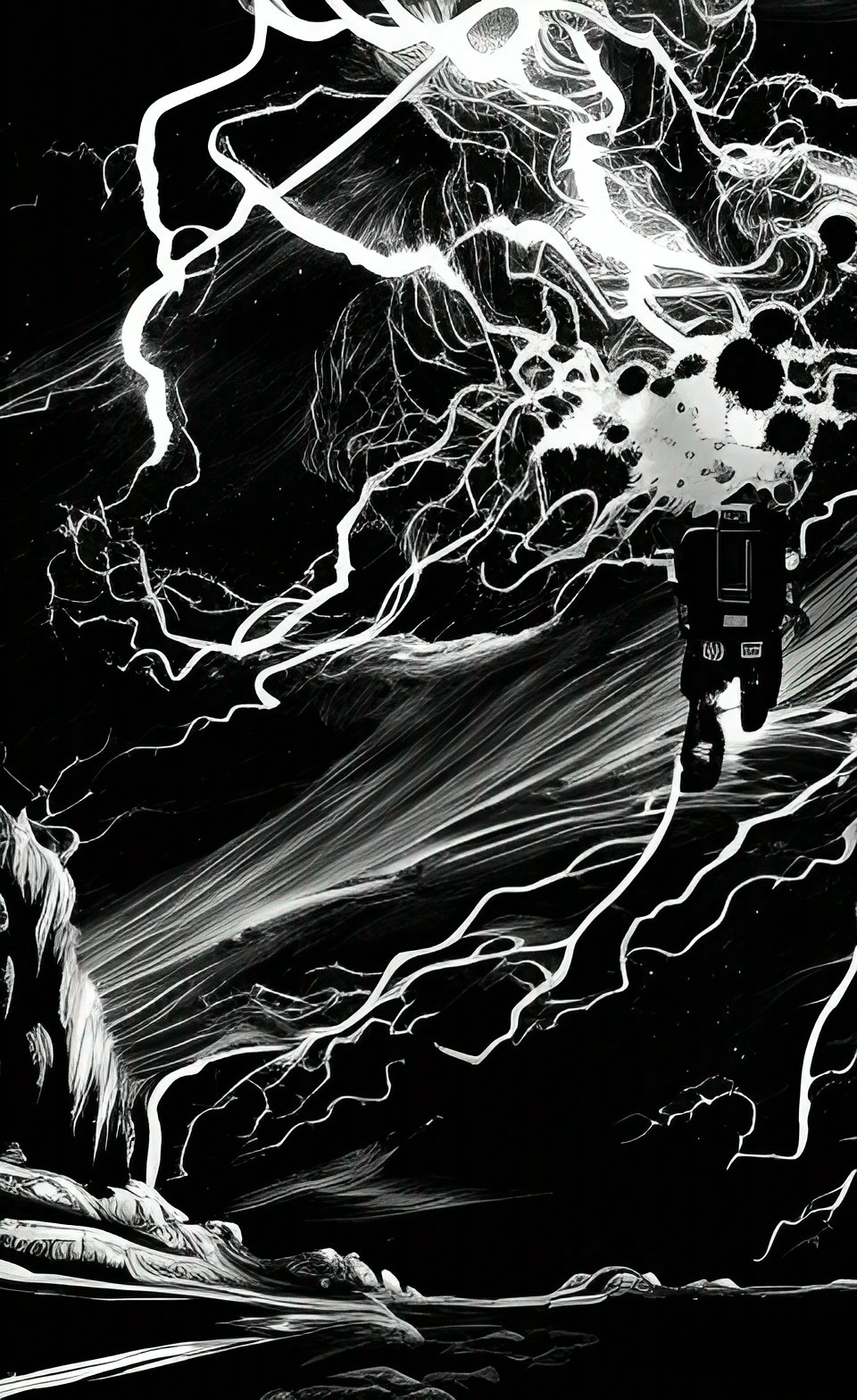
This formula launches a powerful electromagnetic pulse at a targeted Construct. If the Construct fails an Item Save versus Harmonics or a Save versus System Shock, the Construct's Theoretical Engine is momentarily reset by the blast. This effect results in the Construct being incapacitated for 1d4 rounds as it "reboots", followed by a period of reduced functionality that lasts for one round per level of the Mathematician. During the residual period of the formula, the injured Construct can take defensive actions or make a controlled retreat, but it cannot use any weapons or directly attack.


Note, this formula works on "living" Constructs as well. In the latter event, the Construct does not lose consciousness during the "reboot" phase but is still otherwise incapacitated. It will likely be using the downtime for plotting revenge.


Changes from the printed (book) version: The range is extended to 10//. The spell effect has been revised to include two phases. 


 Things to Consider

  • Mathematicians do not rely on Faith or Spiritual Points. They rely on Knowledge and Body-Mind-Spirit.

  • Unlike many character classes, Mathematicians have no set alignment or wealth restrictions.

  • Mathematicians are the only character class whose powers access the Imaginary Realm.

  • The Mathematician is the only character class whose granted power is the detection of Stillpoints (time/space rifts, interdimensional portals, etc.)

  • Like the Gunslinger, a Mathematician has some ability to resist illusions. A Mathematician/Gunslinger hybrid would stack this ability.

Column


Column


ctodd@gaianar.com


  • Home
  • Downloads
  • Rules for Players
  • Spiritual Powers


Copyright 1991-2021 World of Gaianar - Version 3.0

Written and Designed by Christopher Todd

Co-Designed by Matthew Hannum


close lightbox