
Mathematician - Spiritual Powers - Tier 1
Quick Links: Tier 1 | Tier 2 | Tier 3 | Tier 4 | Tier 5
Mathematicians are a scholarly character class. They have poor combat skills and low hit point accumulation. However, they have five Tiers of spells as well as a large number of spells within each Tier. By solving complex formulas, a Mathematician can create geometric structures from nothing, grant animating to inanimate objects, create protective barriers, and summon weapons of exquisite sharpness. Most formulas can be cast from a distance and thus allowing the Mathematician a better chance of surviving combat. Many Mathematician formula require a glass tablet and stylus (a hybridized scientific/magical device that helps a Mathematician quickly make computations). There may be certain situations where a Mathematician can attempt to complete a formula without a glass tablet. The Game Master can adjudicate the possibility of unassisted formulas. However, the computational time is greatly increased: segments become rounds, rounds become turns, and turns become hours.
Granted Powers
A Mathematician can detect the presence of Stillpoints up to 10// away. Moreover, when the even horizon of a Stillpoint is but 2// away, a Mathematician can determine the nature of the distortion caused by the Stillpoint. This function can be used to detect other kinds of spatial or temporal distortions and anomalies. The percentage for detection is the Mathematician’s Body-Mind-Spirit score + 4% per level. For detecting and resisting illusions, the base chance is the Mathematician's Intelligence score plus 1% for resisting illusions and 2% for detecting illusions.
| Table 24: Mathematician’s Detection Powers | |||
Level | Detect Stillpoint* | Detect Illusion† | Resist Illusion† |
1 | 4% | 2% | 1% |
2 | 8% | 4% | 2% |
3 | 12% | 6% | 3% |
4 | 16% | 8% | 4% |
5 | 20% | 10% | 5% |
6 | 24% | 12% | 6% |
7 | 28% | 14% | 7% |
8 | 32% | 16% | 8% |
9 | 36% | 18% | 9% |
10 | 40% | 20% | 10% |
11 | 44% | 22% | 11% |
12 | 48% | 24% | 12% |
13 | 52% | 26% | 13% |
14 | 56% | 28% | 14% |
15 | 60% | 30% | 15% |
16 | 64% | 32% | 16% |
17 | 68% | 34% | 17% |
18 | 72% | 36% | 18% |
19 | 76% | 38% | 19% |
20 | 80% | 40% | 20% |
| * Add Body-Mind-Spirit | † Add Intelligence | |||
| Table: Mathematician Tier Access | ||||
Tier | Level for Access | |||
Intelligence Score | 16 or less | 17-18 | 19-20 | 21+ |
First | Level 1 | Level 1 | Level 1 | Level 1 |
Second | Level 3 | Level 3 | Level 3 | Level 3 |
Third | Level 6 | Level 5 | Level 5 | Level 5 |
Fourth | Level 11 | Level 10 | Level 8 | Level 7 |
Fifth | Level 16 | Level 15 | Level 11 | Level 9 |
Notes on Monofilament Weapons
For the exception of Monofilament Throwing Star, all Monofilament weapons gain a +1 to hit for every third level of the Mathematician, starting at 3rd level. Thus a 3rd level Mathematician would have a +1 bonus, while a 12th level Mathematician would have a +4 bonus to hit. The weapons have a specified duration, but can be dismissed early if desired. They can also be unwillingly dismissed by being targeted by a Reverse Engineer or Dispel Magic class power. The weapons are all two dimensional but generally look like glass. The weapons are very hard and strong, however, and thus only look like glass but in fact are made from pure geometry.Notes on Geometric Constructions
The Geometric Shield, Sphere, Walkway, Staircase, etc. all have certain properties in common. Each summoned segment has a single structural point, has AC(5) with a bonus of +1 to AC per three levels starting at 3rd level, are transparent, and can be dismissed early if desired. Like the Monofilament items, Geometric constructions are vulnerable to the Reverse Engineer and Dispel Magic class of spells.
Analyze
- Round 1: The Mathematician can know the overall quality of an object: Defective (-8), wretched (-4), poor (-2), substandard (-1), standard (+0), above average (+1), very good (+2), excellent (+4). Generally, objects suitable for enchantment must be of excellent quality.
- Round 2: The Mathematician can know the chemical properties of an object. This is particularly useful when attempting to determine if an object is poisonous or radioactive. Likewise, this formula can be used to detect forgeries (i.e. the object is purported to be made of gold but is actually only electroplated).
- Round 3: The Mathematician can understand the magical properties of an object. This power is limited at lower levels of experience. For example, a Level-1 Mathematician might detect that a sword is enchanted, while a Level-8 Mathematician might detect that the enchanted sword is +2 to hit, has an anti-corrosion enchantment, and can be summoned to the owner once per day. The game Master determines the appropriate disclosure for magical aspect of analysis.
Changes from the printer (book) version: This formula now takes three rounds to complete (up from 2). However, the area of effect now scales upward with the Mathematician's level of experience. The results can be saved in the Mathematician's tablet.
 Copy
Copy
Changes from the printed (book) version: The yield is 10 pages per level instead of 4 pages per level.
 Death Dice
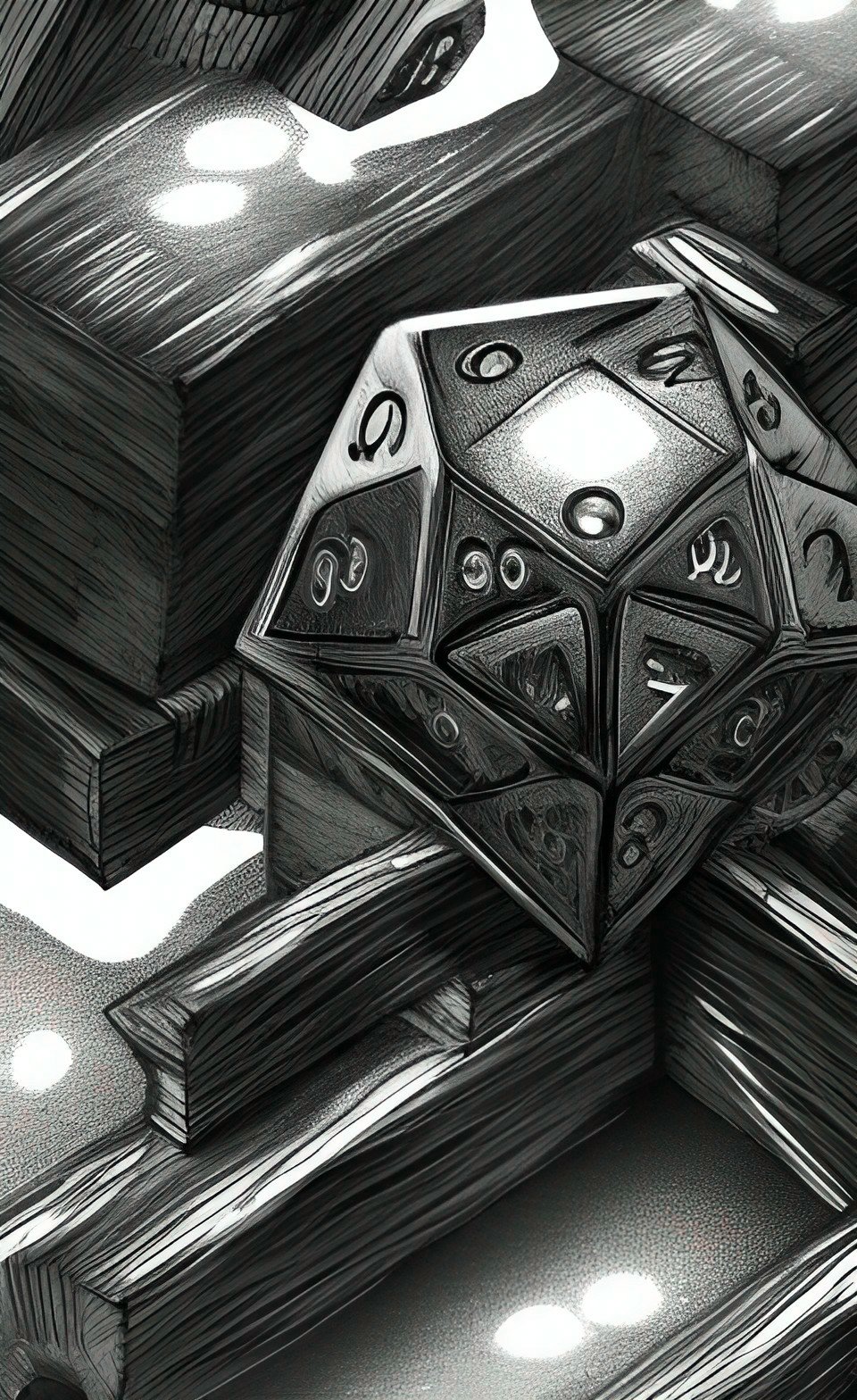
| Minimum Level | Type of Die | Effect |
| Level 1 | A red 4-sided die | The missile deals 1d4 points of damage. If the target then fails a Save vs. Magical weapon, it is blinded for the next round. |
| Levels 2 to 4 | An orange 6-sided die | The missile inflicts 1d6 damage. If the target then fails a Save vs. Magical Weapon, it takes an additional 2 points of fire damage. |
| Level 5 to 9 | A yellow 8-sided die | The die deals 1d8 points of damage. If the target then fails a Save vs. Magical Weapon, it is stunned for the next 1d4 rounds. |
| Level 10 to 14 | A green 10-sided die | The die deals 1d10 points of damage. If the target then fails a Save vs. Magical Weapon, it takes damage as if by a "strong" acid. |
| Level 15 to 19 | A blue 12-sided die | The missile iniflicts 1d12 points of damage. If the target then fails a Save vs. System Shock, it is paralyzed for the next round and takes an additional 2d4 points of cold damage. |
| Level 20 and higher | An indigo 20-sided die | The missile deals 1d20 points of damage. If the target then fails a Save vs. Magical Weapon, it banished to the Imaginary Realm for 1d4 rounds. |
Derivative
 Universal Matrix). If the target of the formula is unwilling, a save versus magical weapon will negate the effect.
If the formula is used for combat purposes (i.e. wrecking a solid steel door by deriving it into carbon and iron filings), it can inflict a structural point of damage per use. Consecrated/magical/supernatural items get a +1 save versus harmonics per degree of enchantment. Mundane items do not get a save, although damage is limited to a single structural point. Typical combat uses include weakening a small area in a castle wall, weakening a section of boat hull, ruining doors and grates, and injuring Constructs.
The area of effect depends on the type of object targeted. This formula can affect one pound per level of solid matter, one quart per level of liquid, or it can affect a 5'x5'x5' cube of gaseous volume per level. It can target a bridge, wall, or Construct of any size. However, the maximum damage is always one structural point regardless of the size of the target/
Changes from the printed (book) version: The area of effect is corrected. The original version listed "ounces per level" instead of "pounds per level". Additionally, the range had been omitted (it is now 3// line of sight).

Fractal Ferns
Changes from the printed (book) version: The ferns are 10' tall instead of 9' tall (in keeping with the other dimensions of this formula).
Geometric Shield
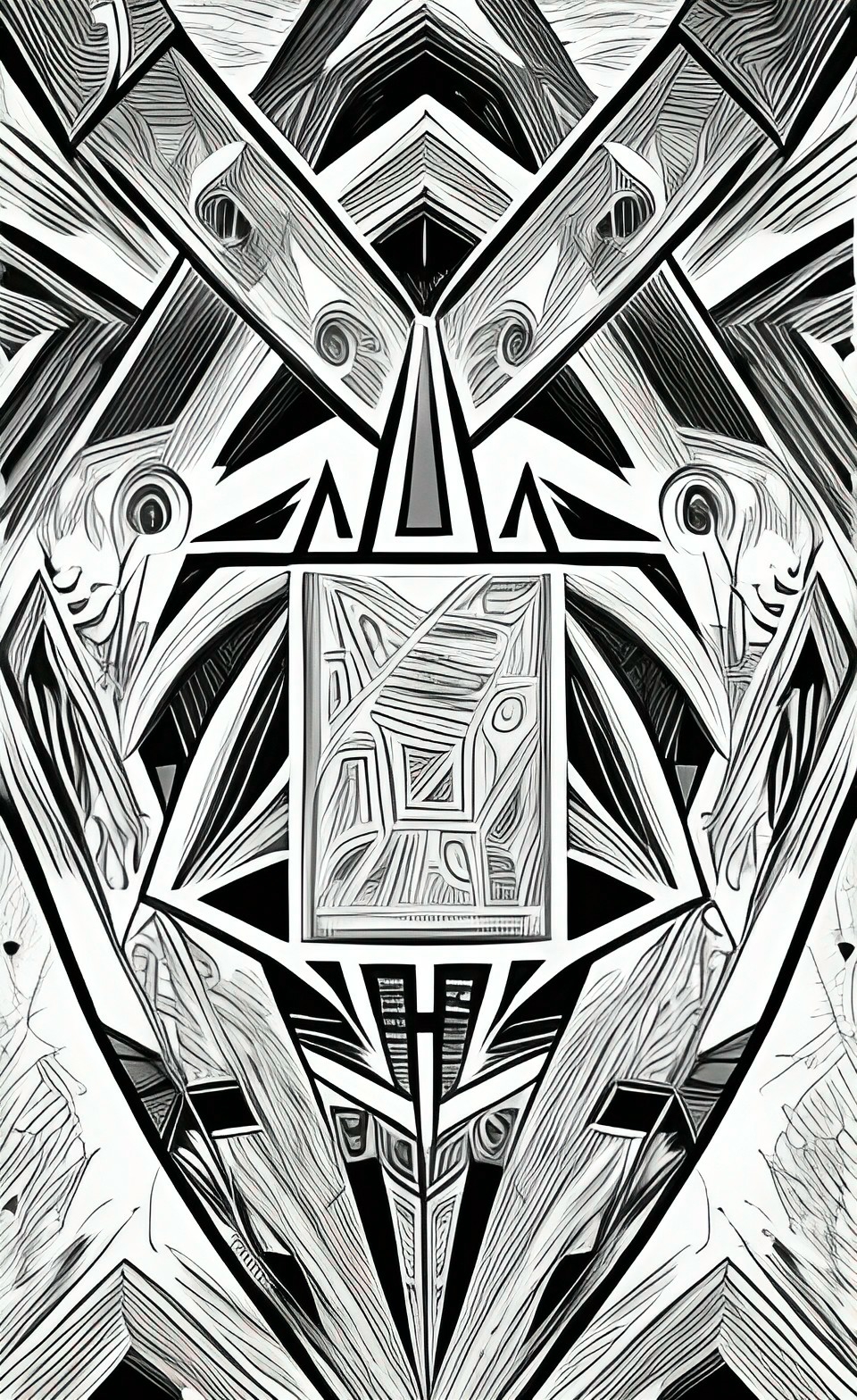
This function creates a perfectly flat and vertical two-dimensional plane of geometric force. It is 95% transparent and can be tinged with any hue the Mathematician pleases. The plane measures 1// by 1//. The Mathematician can create one such plane per level of experience and each plane has one structural point. The shield can also be used to cover a smaller surface area if the Mathematician desires. For example, the Geometric Shield could temporarily replace a broken window in a home, a hole in a roof, or a small breach in a ship's hull. The plane is proof versus all physical attacks (until broken down by sustaining damage), and the armor class of the segments is AC(5) with a +1 bonus to AC for every third level above level three. The shield can be initially placed anywhere within the casting range, but afterwards can be moved at 1// per round if the Mathematician concentrates on during so. The "movement" is relative to the Mathematician's position, thus, if the Mathematician is standing on the deck of a sailing ship that is traveling at 9// per round, the shield panes will not drift away behind the boat.
Changes from the printed (book) version: The Geometric Shield can fill in smaller openings if necessary. The Shield can now only be repositioned at 1// per round (down from 6//).
 Incomprehensible Flicker
The Mathematician is able to bring into the waking reality a small fragment from the Imaginary Realm. So alien and strange is this manifestation that all foes within 20' of the fragment must make a successful Save vs. Sleep/Charm or be hypnotized for the duration of the spell. Whilst hypnotized, the targeted individuals cannot take any action other than stare at the fragment.
It should be known that any attack against the targeted individuals will break their reverie, as will any calamity that induces pain or inflicts even a single hit point of damage. Constructs and Undead are immune to the Imaginary Flicker (chiefly because they do not, in fact, have much in the way of imagination).
Changes from the printed (book) version: This formula has effectively been rewritten as an area affect short-term "stun" spell.
 Laser Sight
This formula imbues a missile weapon with enhanced targeting capabilities. While the power is active, the weapon emits an extremely narrow beam of red light that causes the target to manifest a bright red dot when properly targeted. This aid grants the wielder a +2 to hit. It should be noted that Laser Sight only works on missile weapons that fire projectiles. Therefore, firearms, bows, sling shots, and blow guns are compatible with Laser Sight while thrown daggers, spears, javelins, and Molotov cocktails are not. The beam emitted by Laser Sight is 15// long, and scales an additional 3// per level of the Mathematician. The beam only emits while the wielder is actively targeting an object or opponent.
Changes from the printed (book) version: This formula now lasts "turns per level" instead of "rounds per level". The bonus is now a fixed "+2" instead of a harder-to-calculate "half of range penalty for the weapon".
 Light
Light
Changes from the printed (book) version: The tablet can generate a S-O-S pattern.
 Magnify
Changes from the printed (book) version: The zoom factor now starts at 10x. A tripod is recommended for 20x+ zoom. Gaze/blinding effects do not transfer through the tablet.
 Projection Map
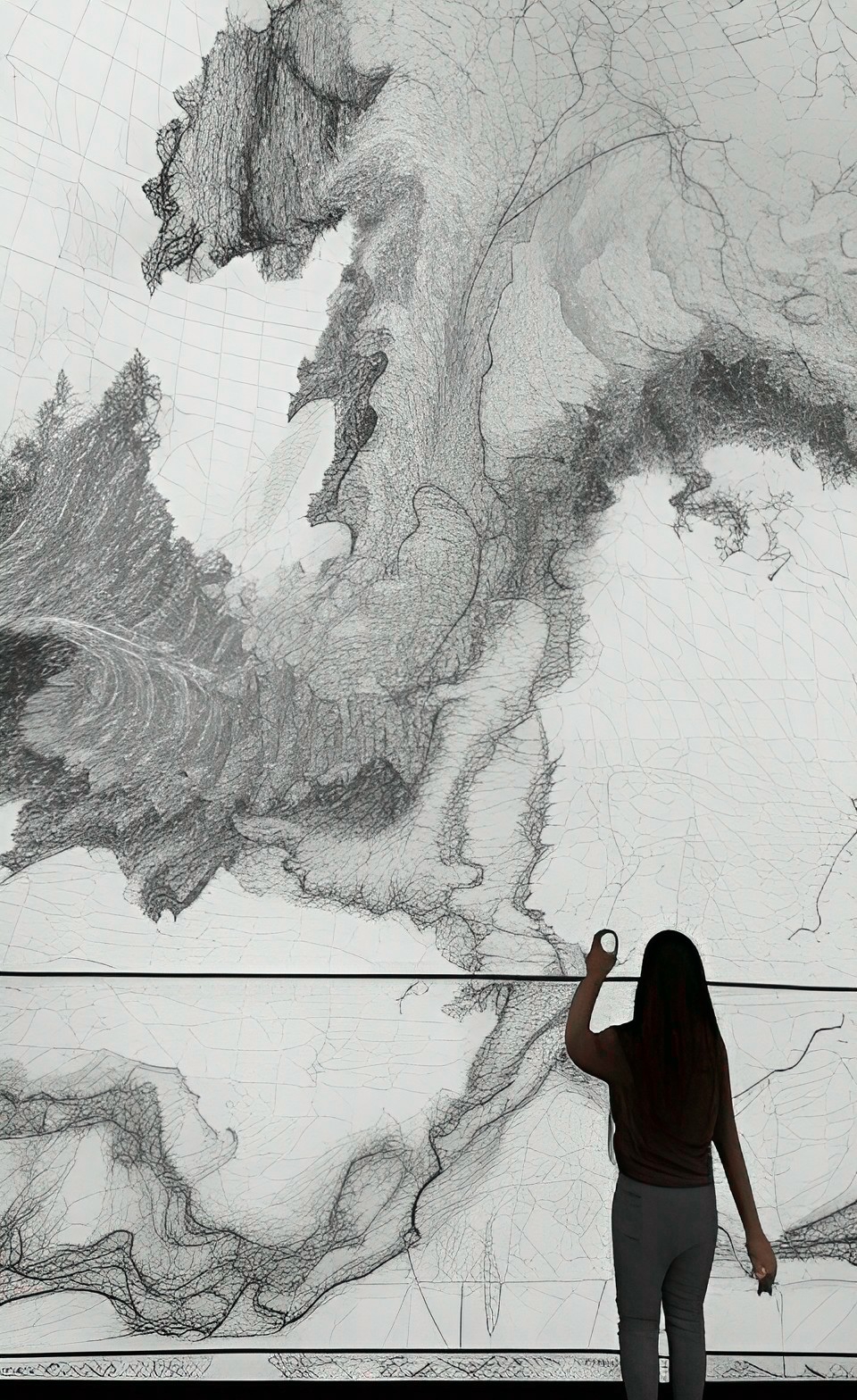
Changes from the printed (book) version: This formula has been completely rewritten.
 Reverse Engineer
This formula is the Mathematical equivalent to Dispel Magic. It's primary use is to undo the formulae cast by other Mathematicians. Against other mathematics, the user must simply match her Level + Willpower against the Level + Willpower of the Mathematician who invoked the formula to be dispelled (roll on the Universal Matrix).
A secondary use of Reverse Engineer is targeting Constructs. While this formula is too weak to actually destroy a Construct's Theoretical Engine, it is powerful enough to trigger a "reboot" and thereby incapacitating the Construct for 1d4 rounds. A successful Save versus System Shock or Item Save versus Magic (whichever is more appropriate) would negate this effect.
While Reverse Engineer is primarily used to undo the formulas cast by other Mathematicians, it can be used to cancel spells cast by other character classes. However, there are optimization penalties based on how different the spells are. For instance, music is based on math and thus the optimization penalty for undoing a Wishsinger spell is only -1. However, a Warrior's power comes from faith and will and thus the optimization penalty is rather steep (-7). The table below lists all of the classes.
Table: Penalties for Reverse-Engineering non-Mathematician spells | ||||
Character Class | Penalty | Character Class | Penalty | |
| Barbarian | -5 | Protector | -7 | |
| Cavalier | -7 | Ranger | -5 | |
| Gunslinger | -4 | Shaman | -5 | |
| Mathematician | 0 | Speaker for the Dead | -3 | |
| Necromancer | -2 | Warrior | -7 | |
| Paladin | -7 | Wishsinger | -1 | |
| Priest | -8 | Other/Unknown/Innate | -7 | |
Changes from the printed (book) version: The range is now scaled instead of fixed.
 Sensor Scan
Changes from the printed (book) version: This formula is now a Tier-1 spell. Its casting cost has been reduced to 0.25 (in keeping with other Mathematician "utility" spells). Data can now be stored in the Mathematician's tablet.
 Speak With Construct
Tier: 1
Casting Time: 1 round
Area of Effect: 1 Construct
Range: 5// + 1// per level
Duration: 1 round per level
Glass Required: Yes
B-M-S Cost: 1.0
Classification: Communication
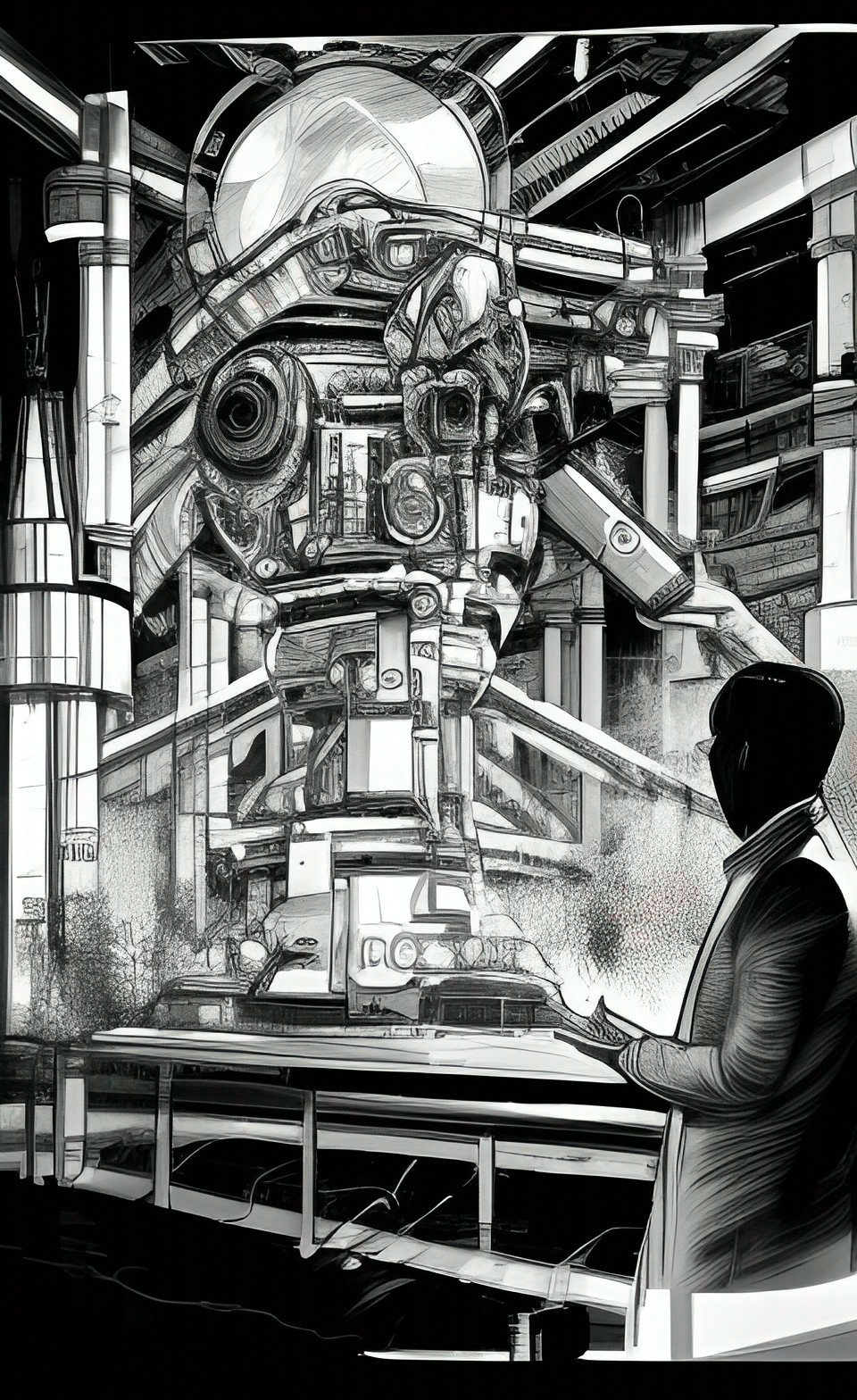
This formula allows the Mathematician to communicate with and understand Constructs that ordinarily would not possess the ability to speak. Examples include Constructs that were not designed with vocal communication methods, or some ossified Constructs (who have forgotten how to speak with the passage of time). Depending upon the level of intellect of the target Construct, the Mathematician may be able to ascertain base motives (“defend the base,” “maintain life support”) or the Mathematician may be able to obtain higher-level information if the Construct in question is operating on a sentient or near-sentient basis. For example, the Mathematician may be able to interrogate a normally mute Construct armored vehicle to learn that Delta Doom has ordered that a nearby city be leveled.
This formula does not permit the Mathematician to command the Construct or change its plans. However, the Construct cannot attack the Mathematician while the formula is in effect. Additionally, the target of this formula cannot lie to the Mathematician. Finally, note that some Constructs are designed with vastly different senses than what humanoid creatures normally have. For example, a Construct that maintains a life support system may lack eyes or ears, but could instead provide data on temperature, humidity, and atmospheric contents. Additionally, a Construct’s purpose may limit what data it considers worthy of note. Wise Mathematicians will keep a Construct’s abilities and purpose in mind when interrogating it.
There are two significant limitations to this spell: 1.) The spell ends if the Mathematician attacks the Construct; 2.) The Construct can still attack other targets even though it is unable to directly attack the Mathematician.
Changes from the printed (book) version: This is a new spell.
 Starlight Sight
Changes from the printed (book): The duration is now turns per level instead of rounds per level.
 Theoretical Engine
This formula allows the Mathematician to imbue inanimate objects with a kind of life. A Theoretical Engine is a self-renewing energy source that siphons small bits of power from the rotational energy of the planet and from the underpinnings of the Universe itself. Fortunately, Constructs are rather small when compared to the size of a planet and the size of the universe, so this trivial amount of energy theft is negligible to the health of the ecology and reality.
Creating a Construct is no trivial matter. The Player and Game Master must come to an agreement as to what capabilities the proposed Construct will have, what materials will go into its construction, who will fabricate the Construct's physical body, and how much money and time it will cost. If the proposal is accepted by the Game Master, then he/she sets the BMS cost and computational time required to complete the formula. For particularly aggressive endeavors, the Game Master may even assess a casting penalty.
If the formula fails, the proposed Construct's body is not destroyed. However, unlike most spell failures, the Body-Mind-Spirit points are expended regardless of whether the procedure succeeds or fails. The Mathematician can always try again on a different day once he/she has recovered the spent BMS.
Generally speaking, a Construct animated by way of theoretical Engine is unconditionally loyal to its creator. Such a bond ends, however, if the Mathematician dies (a likely occurrence since Constructs live for centuries and humanoids do not.) A masterless Construct will attempt to continue to obey the last known set of instructions offered to it by its master.
On a critical success, the Construct in question is an Awakened Construct (ie. a Construct possessed of self-will). While such a Construct is still initially loyal to its creator, the Mathematician must continue to earn such loyalty (just like one would have to do with an actual person). Likewise, an Awakened Construct can have a character class. Moreover, Awakened Constructs have varying degrees of legal rights (including the expectation that they be paid for their labor and the expectation that they are not abused and/or purposefully mistreated).
Should the imposition of Theoretical Engine result in an Awakened Construct, the player should roll an additional D20. Should that roll be a "20", the Awakened Construct is actually a super-sentient Construct whose metal prowess greatly exceeds that of its creator. Assume that a super-sentient Construct has Intelligence of 21+1d4. Such machines can make for exceedingly powerful allies, and they can be terrifying foes.
A Note on Constructs Making Constructs
Sentient Constructs (Awakened or Living) do have the ability to cast this spell. However, for cosmic reasons unknown, the machines animated by this spell always manifest as "appliance" grade Constructs. They never manifest as highly sentient machines that are capable of gaining character levels. Thus, a Construct Mathematician could make a drone that scrubbed floors or guarded a passageway. However, a Construct Mathematician will never be able to create a similarly powerful peer by way of this spell.
Changes from the printed (book) version: This formula has been completely rewritten.

Things to Consider
|