

Shaman - Spiritual Powers - Tier 5
The Barbarian, Ranger, and Shaman are three closely-linked character classes that operate on a continuum. All three are Nature-revering professions. The Barbarian has strong combat skills and a smattering of spells. The Ranger balances prowess and magic. The Shaman is weaker in physical battle but wields powerful Nature-based spells as well as a moderate amount of healing power. Unlike a Priest, who learns in universities and from books, a Shaman is typically taught in small groups by a revered elder. While both Priests and Shamans serve the Light, Priests generally have an urban outlook while Shamans are decidedly rural.
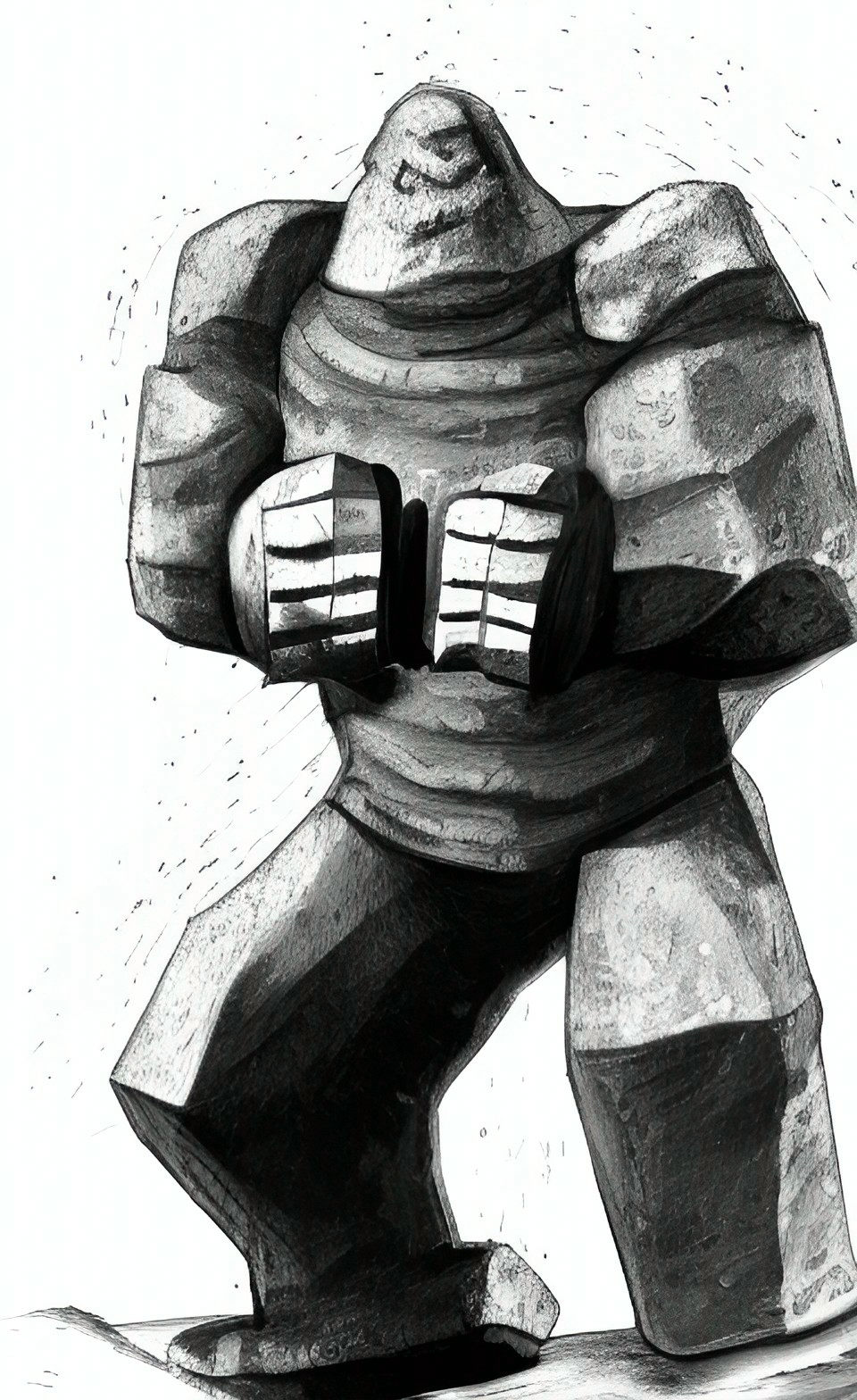 Elemental Champion
- Levels 1 to 4: The Elemental Champion has 14 HD and functions as a 14th-level Warrior and a 10th-level caster (either Barbarian, Ranger, or Shaman). Missile damage is 4d8. Speed is 48//.
- Levels 5 to 9: The Elemental Champion has 16 HD and functions as a 16th-level Warrior and a 11th-level caster (either Barbarian, Ranger, or Shaman). Missile damage is 5d8. Speed is 52//.
- Levels 10 to 14: The Elemental Champion has 18 HD and functions as a 18th-level Warrior and a 12th-level caster (either Barbarian, Ranger, or Shaman). Missile damage is 6d8. Speed is 56//.
- Levels 15 to 19: The Elemental Champion has 20 HD and functions as a 20th-level Warrior and a 13th-level caster (either Barbarian, Ranger, or Shaman). Missile damage is 7d8. Speed is 60//.
- Levels 20 or higher: The Elemental Champion has 22 HD and functions as a 20th-level Warrior and a 14th-level caster (either Barbarian, Ranger, or Shaman). Missile damage is 8d8. Speed is 64//.
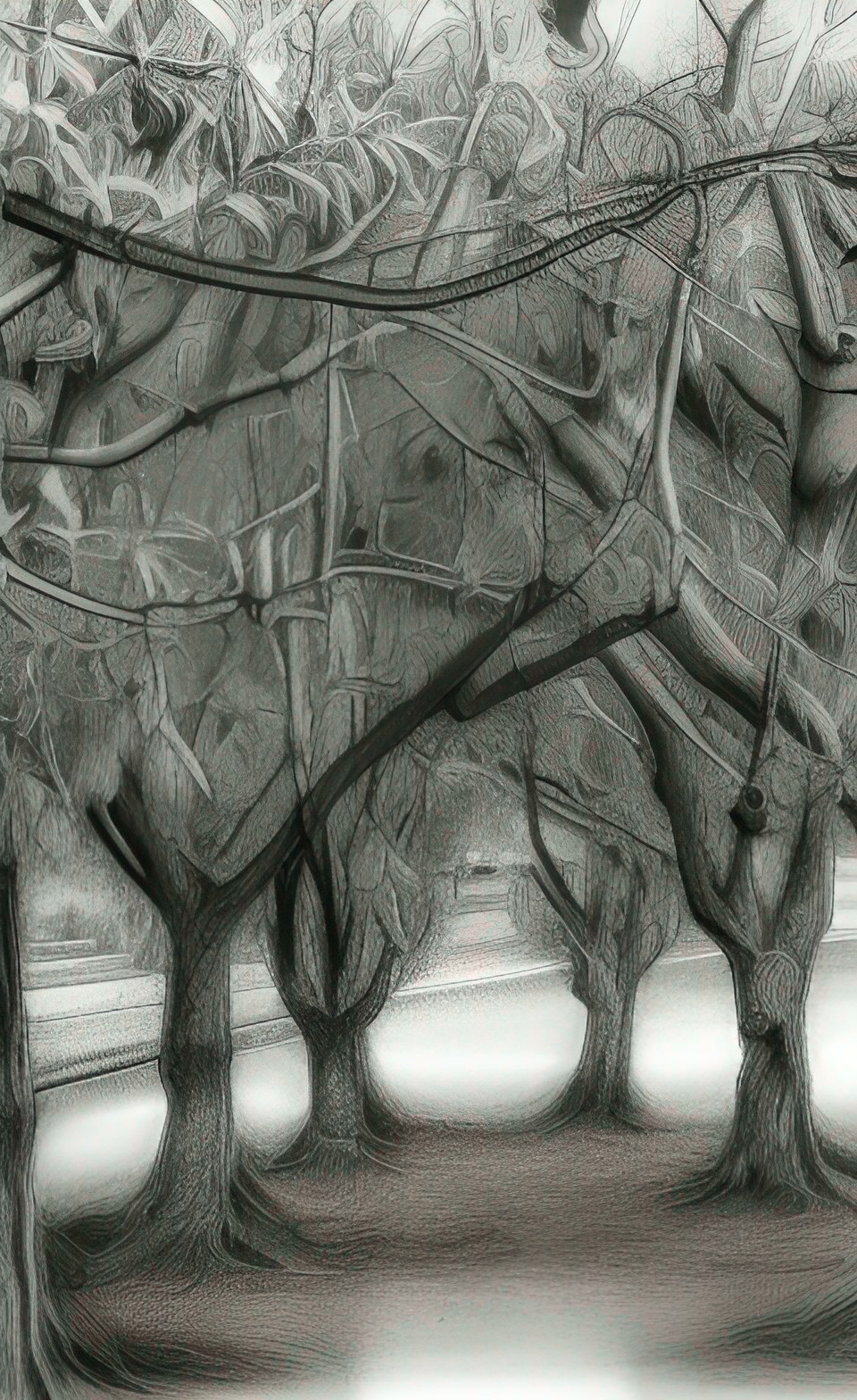 Grove of Healing
- Levels 1 to 4: The grove space has a 50' diameter and heals allies for one hit point per round.
- Levels 5 to 9: The sacred space has a 75' diameter and heals allies for two hit points per round.
- Levels 10 to 14: The sacred space has a 100' diameter and heals allies for three hit points per round and one point of Endurance per round.
- Levels 15 to 19: The sacred space has a 125' diameter and heals allies for four hit points per round, one point of Endurance per round, and one point of Willpower per round.
- Levels 20 or higher: The sacred space has a 150' diameter and heals allies for five hit points per round, one point of Endurance per round, one point of Willpower per round, and 1/8 point of BMS.
Changes from the printed (book) version: This is a new spell.
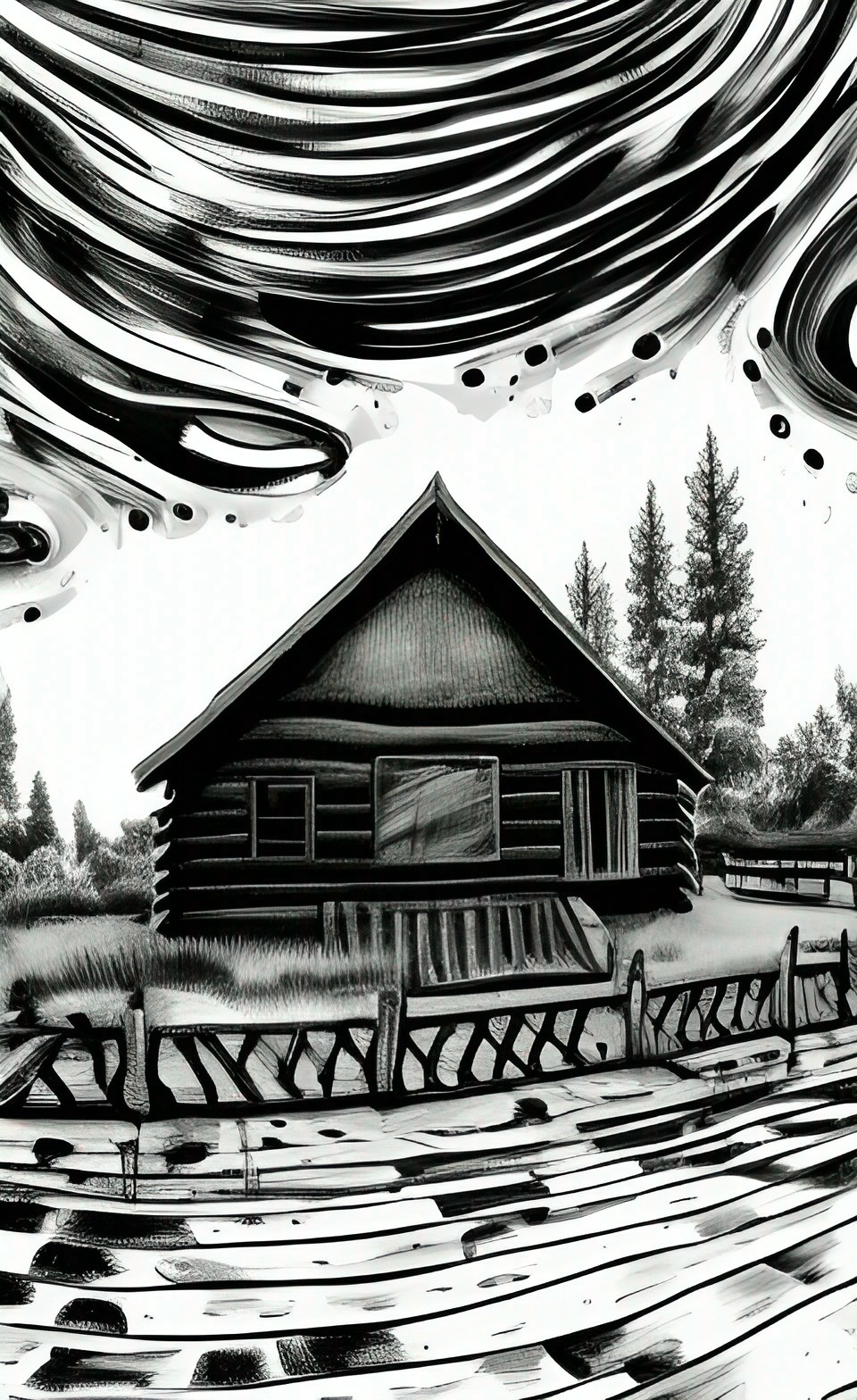 Hidden Refuge
Tier: 5
Prayer: 4 rounds (ritual) [Large] 4 segments [Small]
Spirit Cost: 70 points [Large], 20 points [Small]
Range: 10//
Duration: One hour per level
Area of Effect: 30// radius (Large), 3// radius (Small)
Classification: Protection, Defense
One of the best ways of avoiding being attacked is to not be detected by one's enemy. Whereas a Paladin and Cavalier would never resort to trickery that involves illusions, the Shaman is more pragmatic and will do what he/she must to protect the community. Sometimes that means using a bit of guile.
Hidden Refuge can be used to either cloak a large area (such as part of a village) or it can cloak a small area (such as a building or campsite). While cloaked, the affected area appears to look exactly like the immediate surrounding area. Thus, if the village is surrounded by trees, the hidden area will look like part of the forest. If the village is along the sea, the hidden area will look just like any other part of the beach. Spells that detect illusions may reveal that something is amiss.
This spell is not a force field. An outsider could walk through the barrier and see the hidden area. However, the spell does emit a subtle mental imperative that will cause outsiders to subconsciously walk around the protected area. A successful Willpower check will negate this directive.
At base level, the warding field only filters visible light. However, other parts of the electromagnetic spectrum also become hidden at higher levels as the Shaman becomes more powerful.
- Levels 1 to 4: The area of effect is 30// (large) and 3// (small).
- Levels 5 to 9: The area of effect is 40// (large) and 4// (small). It also shields in the infrared spectrum.
- Levels 10 to 14: The area of effect is 50// (large) and 5// (small). It also shields in infrared and ultraviolet.
- Levels 15 to 19: The area of effect is 60// (large) and 6// (small. It shields in infrared, ultraviolet, and radio waves. It hides the Shaman's allies from life-detection spells.
- Levels 20 and higher. The area of effect is 70// (large) and 7// (small). It shields along the entire EM spectrum. It hides allies from life-detection spells and magical scrying/locating spells.
This spell can be cast successively with Woodland Fortification (assuming that the Shaman has sufficient spiritual resources.)
Changes from the printed (book) version: This is a new spell.
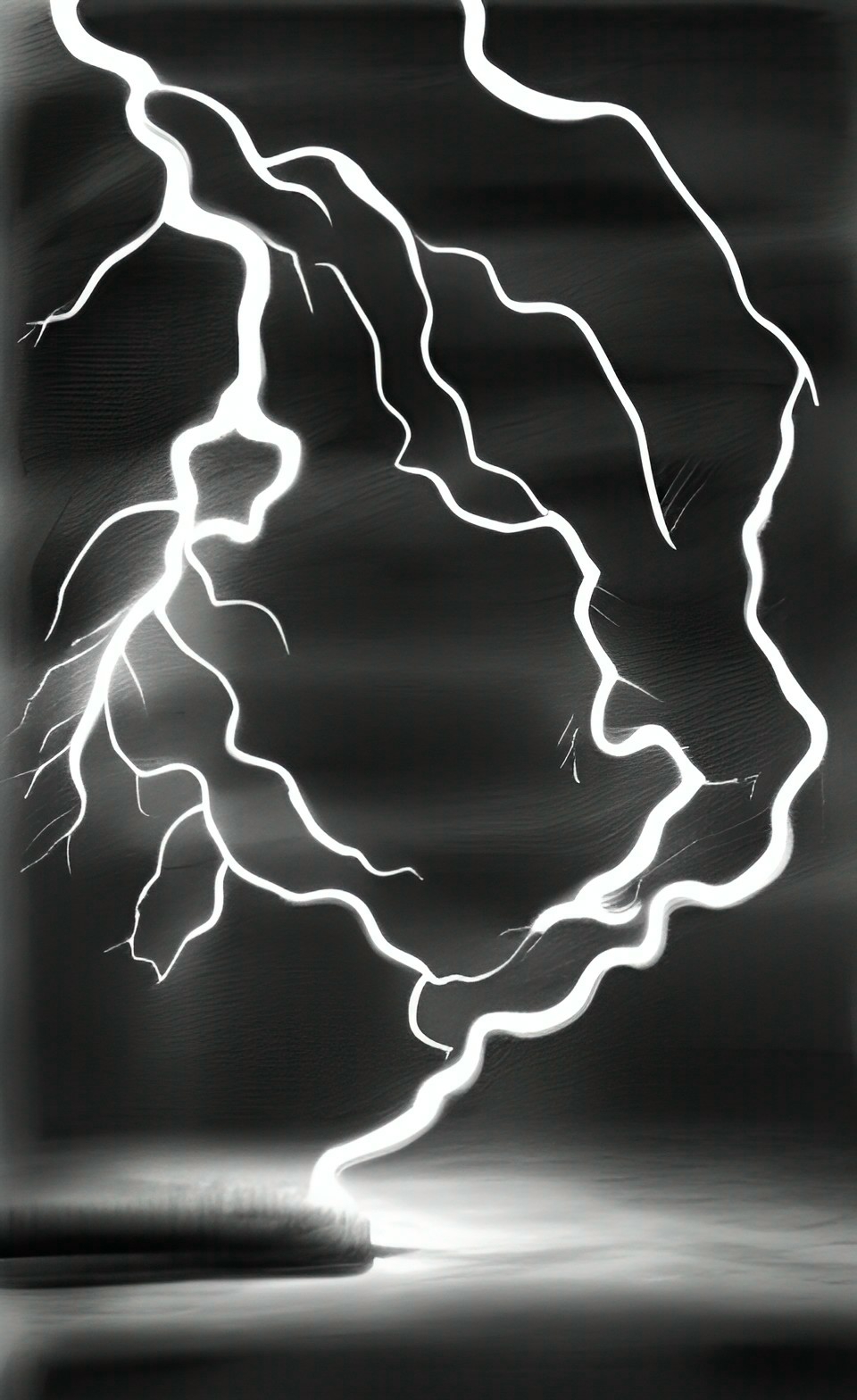 Lightning Strike
- Levels 1 to 4: The bolts do 6d6 damage.
- Levels 5 to 9: The bolts do 6d8 damage; one nearby foe within 1// takes 3d8 damage.
- Levels 10 to 14: The bolts do 6d10 damage; two nearby foes within 1// takes 3d10 damage. If target is Undead, also treat this as a free "Turn" attempt that only affects the targeted creature.
- Levels 15 to 19: The bolts do 6d12 damage; three nearby foes within 1// takes 3d12 damage. If target is Undead, also treat this as a free "Turn" attempt that only affects the targeted creature. Secondary targets that are Undead may also be turned for free (-2 penalty).
- Levels 20 and higher: The bolts do 6d20 damage; three nearby foes within 1// takes 3d20 damage. If target is Undead, also treat this as a free "Turn" attempt that only affects the targeted creature. Secondary targets that are Undead may also be turned for free (-2 penalty). Additionally, incorporeal spirits can now be targeted; this spell depletes SP if the target does not have hit points.
Tree of Resurrection
Tier: 5
Prayer: 4 rounds (ritual)
Spirit Cost: 70 points; 8 points of Willpower; 4 points of Endurance
Range: 1//
Duration: Permanent
Area of Effect: One person
Classification: Healing
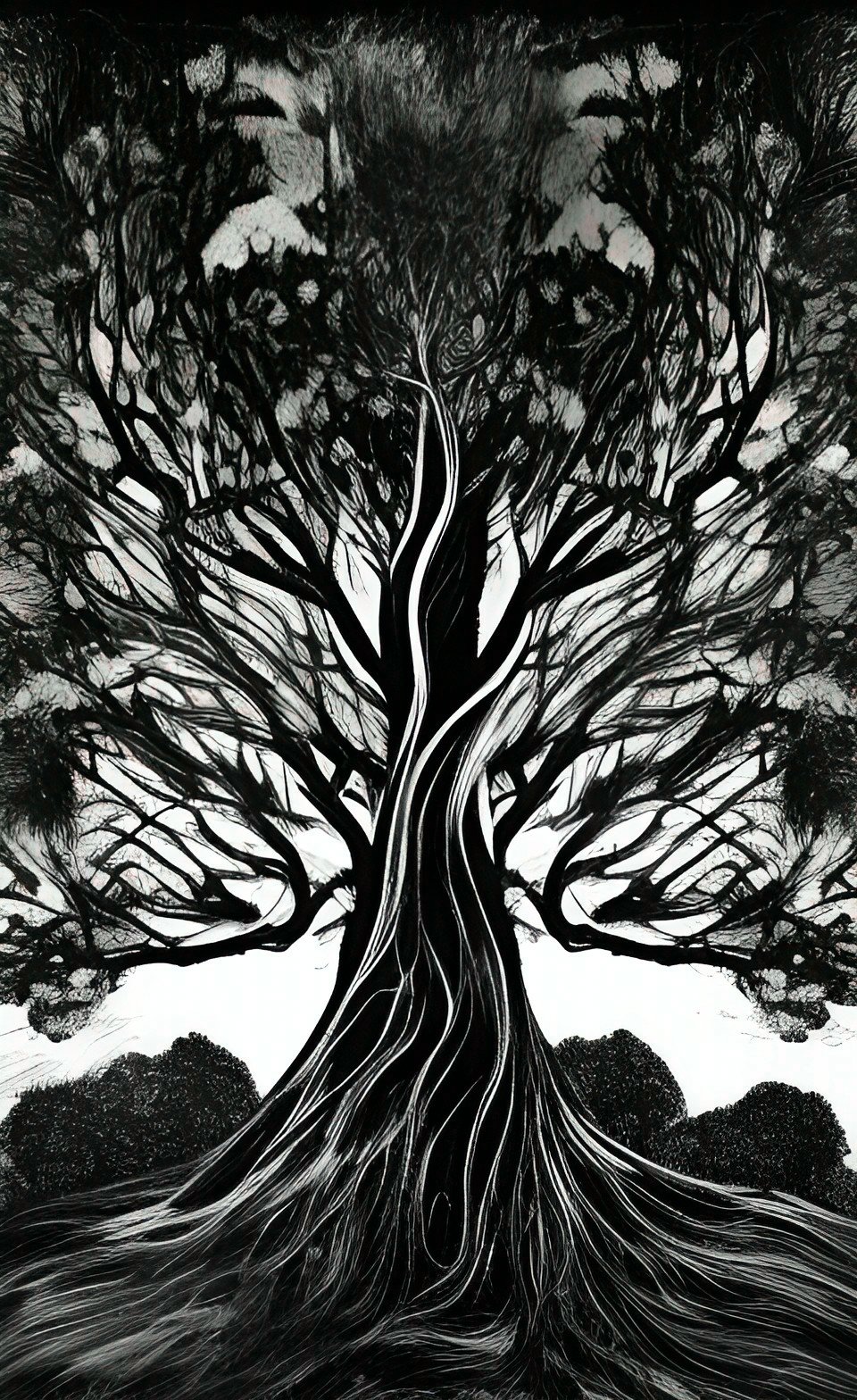
This spell is the most powerful of the Shaman's "tree transformation" spells and has the power to bring the dead back to life. Of course, this works best on the recent dead. The spell has 100% efficacy if the deceased has been dead for less than one day per level of the Shaman. Beyond that limit, there is a 10% chance of spell failure per additional day that the target is dead.
Like other spells of this type, the Tree spell converts the deceased into a tree/humanoid hybrid. Unlike the other versions of this spell, the deceased does not regain wakefulness until the spell ends. It should also be known that the deceased's return to life is voluntary. For instance, the spirit of the dead person could choose to not return to the current plane of existence and instead continue his/her travels in the afterlife. The Shaman would be aware of such a decision at the beginning of the spell.
The Tree of Resurrection spell does not extend the maximum life expectancy of the target. Thus, if the target died of natural causes related to advanced age, he/she will not be resurrected into his/her prior form. However, the subject of this spell could voluntarily choose to become a sentient human/tree hybrid and thus begin a new life in that form.
This spell could theoretically work on dead Constructs if they were of that very rare variety that is animated by a living soul in addition to a Theoretical Engine. The Game Master would have to determine if the spell will, in fact, work and if so, what the full effects of resurrection might be. A dead Construct brought back to life may have unexpected permanent changes -- such as being made of wood instead of metal.
If the spell utterly fails (either because the subject has been dead too long, refuses to be brought back to life, or is body-incompatible), the Shaman will know at the beginning of the transformation interval that the spell was unsuccessful. The spell will still produce an otherwise healthy, growing, mature tree out of the body of the deceased. Likewise, members of the Undead cannot be resurrected with this spell.
This spell restores full hit points upon completion. Likewise, it negates poison, Death Magic damage, curses, magical afflictions, and diseases of all kinds (physical and mental). It will restore missing limbs. Likewise, this spell will abate 75% of the radiation body burden carried by the deceased. It removes scars, marks, and tattoos. When the subject emerges from the resurrection, his/her Endurance, BMS, and Willpower all start at one point and will recover normally with rest.
Like other spells that bring the dead back to life, the Shaman must take care to not abuse this power. Bringing an unwilling subject back to life will have a small (yet non-zero) chance of attracting the attention of the Gaunt Man.
The recovery period shortens as the Shaman ascends in level.
- Levels 1 to 4: Full healing takes 6 weeks
- Levels 5 to 9: Full healing takes 5 weeks
- Levels 10 to 14: Full healing takes 4 weeks
- Levels 15 to 19: Full healing takes 3 weeks
- Levels 20 and higher: Full healing takes 2 weeks
Changes from the printed (book) version: This is a new spell.
 Woodland Fortification
Tier: 5
Prayer: 4 rounds (ritual)
Spirit Cost: 80 points; 2 points of Willpower; 6 points of Endurance
Range: 10//
Duration: One hour per level (+ special)
Area of Effect: A peripheral ring 15// in radius
Classification: Nature, Protection, Defense
Sometimes a foe merely needs to be withstood, not defeated. For instance, the Shaman's village may need to be protected from Mist Walkers until dawn. Or perhaps an overflowing river threatens the Shaman's people. And sometimes, the perimeter simply needs to be boosted until archers can pick off the besieging forces. At times, like these, a Woodland Fortification can make the difference between life and death.
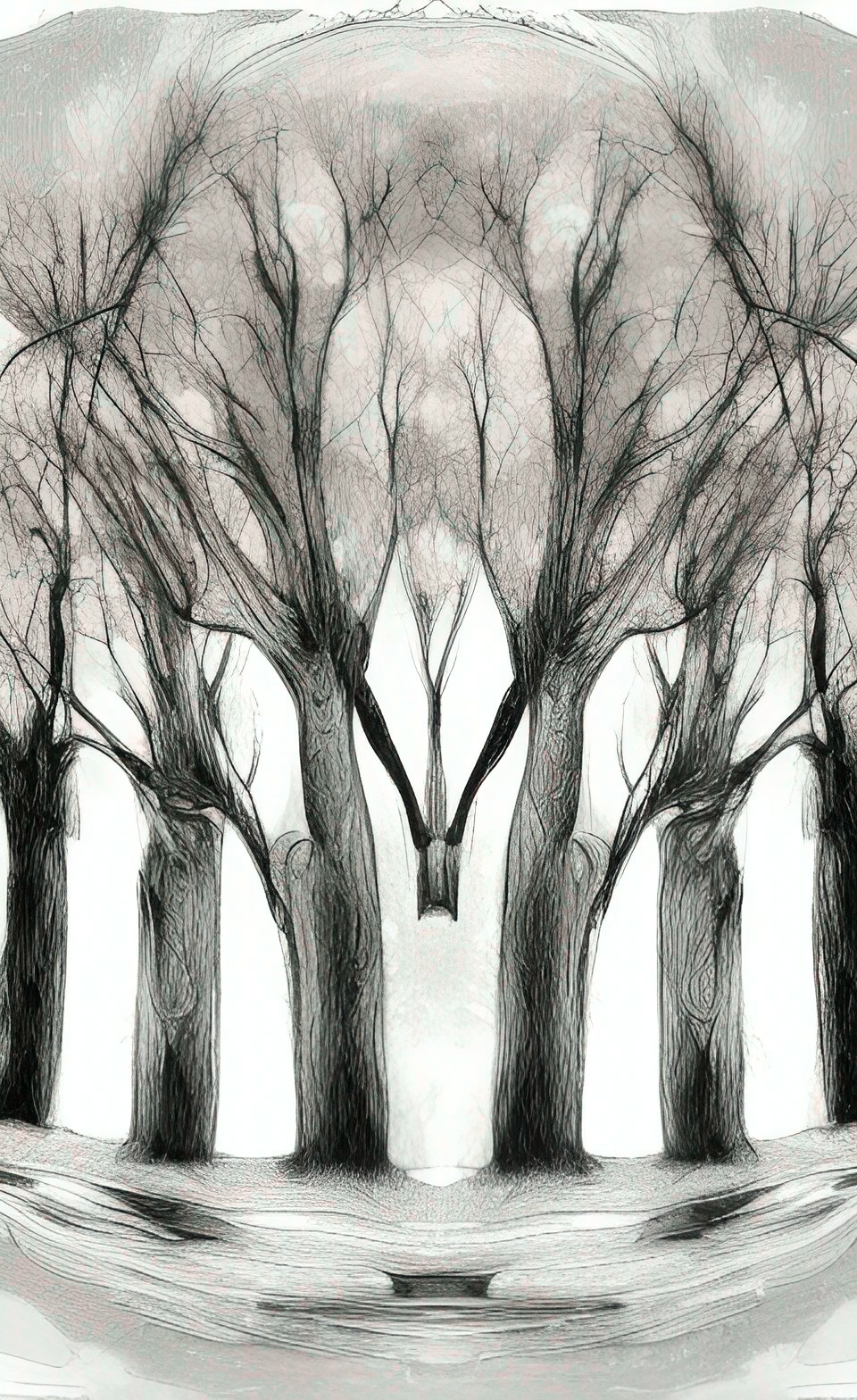
When called upon, a ring of sturdy, healthy trees suddenly erupt from the ground and form the basis of the perimeter. Although there are obvious gaps between the trees, intruders will in fact encounter a barrier that feels much like gauze: it is pliable at first, but the more they push against the barrier, the more it resists. In no way does the barrier flex more than 5'. Although it is not a Mathematical ward, each 10' length of barrier should be treated as AC(0) and 3 StP. The barrier regenerates at the rate of 1 StP per turn for any damaged portion. The barrier forms an ellipsoid shape in which the X and Y axes are 30// in length (i.e., a 15// circle) but the Z axis is only half that length.
Should the barrier fail, and intruders advance, any tree within 1// of hostile entity will get an attack routine (BAtCh(14), 2d12 from club-like branches). Additionally, each tree can attempt to ensnare up to four foes by wrapping its roots around the intruders' boots (BAtCh(14), 1d4 damage per round + immobilization). A trapped foe must make a successful Endurance check at the end of each round to break free.
The Game Master should feel free to be creative with this spell, depending on the environment. For example, if the spell is cast in the desert, a ring of cacti may appear. If it is cast in the middle of a radioactive wasteland, mutant flora of various kinds should manifest.
While the barrier remains intact, it will also repel flood waters, poison gas, mist, rain, snow, radiation (up to 50 REM), vermin (up to 6 HD), mobile plants (up to 6HD), low-power non-sentient Undead (up to 4 HD), Mist Walkers (up to 8HD), unwelcome Elemental beings (up to 6HD - including Fey). The barrier will maintain a comfortable atmosphere between 60 and 80 degrees (depending on the Shaman's preference.
Allies of the Shaman will enjoy a +1 to all ability checks, saving throws, attacks, parries, and power activations of all kinds. Moreover, allies will be able to turn as a cleric/priest one level higher if they already have that ability. Finally, this spell grants the Shaman and his/her allies low-light vision (2 points of any penalty for poor lighting is negated).
Note: Flora created by this spell remains even after the power expires. However, if the Shaman case the same spell in the same place, the existing flora will be empowered (as well as healed to full hit points if they had been previously damaged).
Like other warding spells of this type, the "repel Undead" feature works differently if the Shaman is Undead. In this scenario, affected Undead will view the Shaman (and allies) in a favorable light rather than be repelled.
While the spell initially has a 15// radius, this area of effect increases as the Shaman ascends in level.
- Levels 1 to 4: Woodland Fortification has a 15// radius.
- Levels 5 to 9: Woodland Fortification has a 20// radius. +1 HD effectiveness for all creature types.
- Levels 10 to 14: Woodland Fortification has a 25// radius. +3 HD effectiveness for all creature types.
- Levels 15 to 19: Woodland Fortification has a 30// radius. +5 HD effectiveness for all creature types. Each segment now has 4 StP. It also wards against incoming teleportation (as if by Willpower 14). It wards against incorporeal spirits of Willpower 14 or less.
- Levels 15 to 19: Woodland Fortification has a 35// radius. +7 HD effectiveness for all creature types. Each segment now has 4 StP. It also wards against incoming teleportation (as if by Willpower 16). It wards against incorporeal spirits of Willpower 16 or less.
Changes from the printed (book) version: This is a new spell.

Things to Consider
|