World of Gaianar - Third Edition
The World of Gaianar
Third Edition
Menu
  • External link opens in new tab or window
  • External link opens in new tab or window
  • External link opens in new tab or window
  • External link opens in new tab or window

Priest- Spiritual Powers - Tier 2

Gaianar is a world with many deities that grant a variety of powers to their faithful. The power list here assumes a good or neutral priest in service to a good or neutral deity. Those in service to harmful/evil deities may receive modified versions of the spells in this section. For an instance, an evil deity may not grant healing as potent as a good deity might, and an evil deity may grant the power to inflict diseases instead of curing them. It's strongly suggested that player-character Priests be good (or at least neutral) and no evil. Priests generally serve the community in healing, turning away the Undead, and offering comfort and counsel in times of crisis and loss. They welcome strangers, help the needy, befriend the friendless, and defend the defenseless. Priests often work in tandem with Protectors. While a Shaman and a Priest are both clergy, a Shaman is generally educated by a higher-level Shaman one-on-one or in small groups over an extended period of time. Priests, by contrast, receive formal, structured education through seminaries. Both may worship the same deity but are taught different things, and thus their spell lists differ greatly.  

Quick Links: Tier 1 | Tier 2 | Tier 3 | Tier 4 | Tier 5 | Tier 6 | Tier 7
Bless Holy Water4 SP | Makes a vial of holy water. Special Duration.

Bless Holy WaterBless Holy Water

Prayer: 1 round
Spirit Cost: 4
Range: Touch
Duration: 1 round per level (primary); 1 day per level (secondary)
Area of Effect: 1 vial of holy water (initially)
Classification: Enhancement or Utility

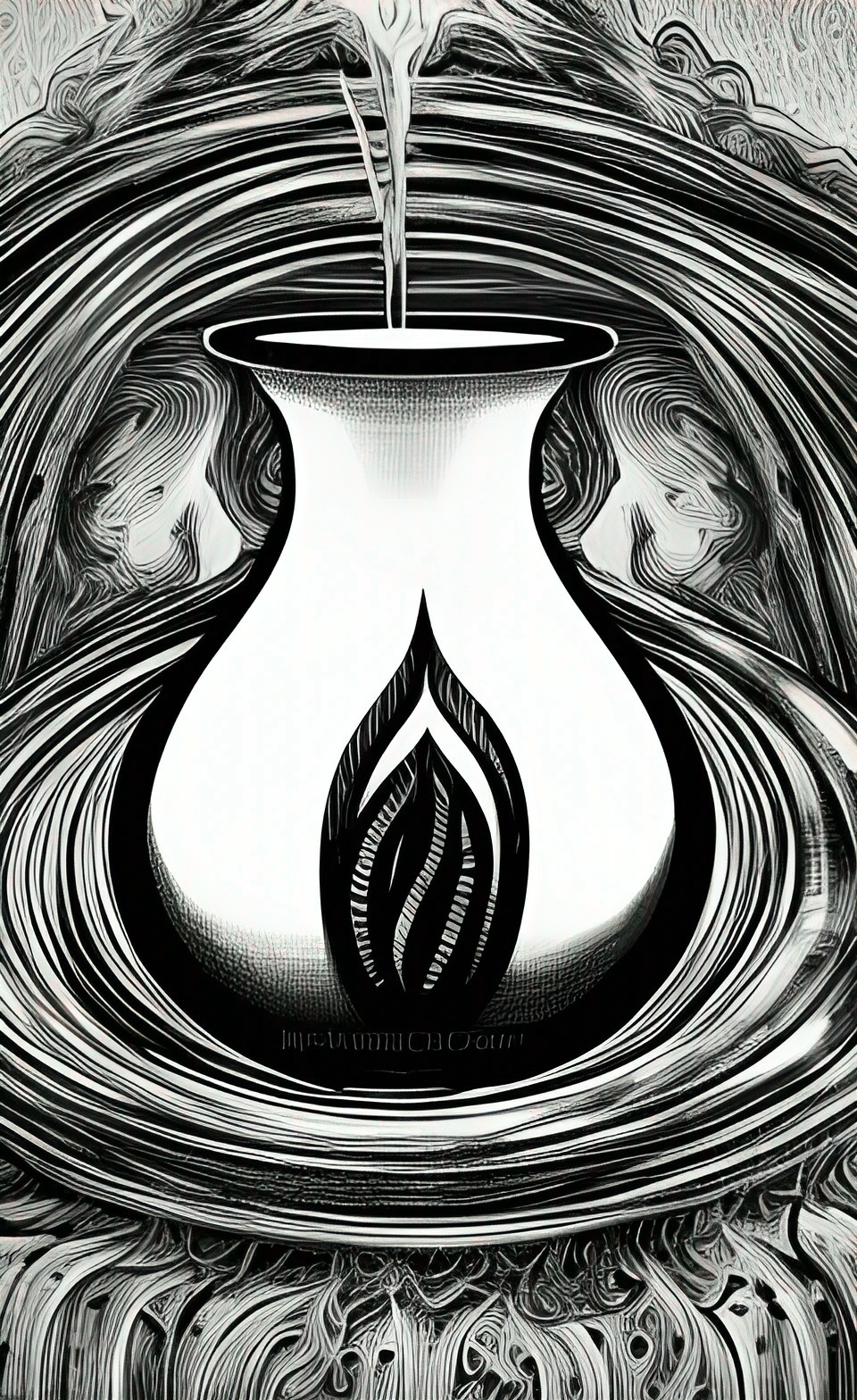
One of the universal truths all Priests learn early on is that denizens of the Undead do not like holy water. Water purifies and so does prayer. Holy water combines both together into a potent liquid that is as painful to the Undead as a pot of boiling hot coffee thrown in the face would be to an ordinary mortal. Of course, the primary reason why holy water has this effect is that it is imbued with a small quantity of energy from the Plane of Radiance.

To cast this spell, the Priest must first have consecrated vials in advance (see Ceremony). Vials can be made from crystal, glass, silver, gold, titanium, or stainless steel. Regardless of the material, once consecrated, the vials must only be used for storing holy water henceforth. Moreover, the water must be clean. Tap water is fine so long as it is not polluted. Water from a natural spring is better (since it is less likely to be contaminated than tap water). Rainwater is likely the best choice. Other liquids (such as wine or beer) cannot be used for holy water.

The blessing for holy water decays over time. During the primary period of enchantment, holy water inflicts 3d4 damage against an Undead target. During the secondary period of enchantment, the damage is reduced to 2d4 damage. After that, the holy water will still retain a residual potency of 1d4 damage. Of course, the Priest can always "recharge" unused holy water with a new application of this blessing.  At low levels, only one vial can be blessed with each casting. However, the Priest gains the ability to bless multiple vials at once at higher levels of experience.

Throwing holy water in the face of an Undead monster constitutes a Ranged Touch Attack (i.e., the Priest only has to hit AC(10)). Exceptionally experienced Priests can also consecrate holy water that can affect incorporeal spirits. In that event, the holy water will actually glow with a deep, cobalt radiance. As always, incorporeal beings without a hit point rating will instead take damage in the form of spirit point depletion.

    • Levels 1 to 4: Damage is 3d4 / 2d4; Priest can bless one vial.
    • Levels 5 to 9: Damage is 4d4 / 2d4; Priest can bless two vials.
    • Levels 10 to 14: Damage is 5d4 / 3d4; Priest can bless three vials.
    • Levels 15 to 19: Damage is 6d4 / 3d4; Cobalt radiance; Priest can bless four vials.
    • Levels 20 or higher: Damage is 7d4 / 4d4; Cobalt radiance; Priest can bless five vials.

This spell works a bit differently if the Priest is Undead. While the holy water can still damage hostile spirits (when the Priest is of higher level), holy water blessed by an Undead Priest would be imbued with negative energy and therefore harm living targets instead.

Changes from the printed (book) version: The power of this spell now scales to the level of the Priest.
CeremonySpecial SP | Pertains to the Priest's liturgical spells. Usually Permenant.

CeremonyCeremony

Prayer: Special
Spirit Cost: Special
Range: Special
Duration: Usually Permanent
Area of Effect: Typically, a person or a building
Classification: Benediction, Protection, or Utility

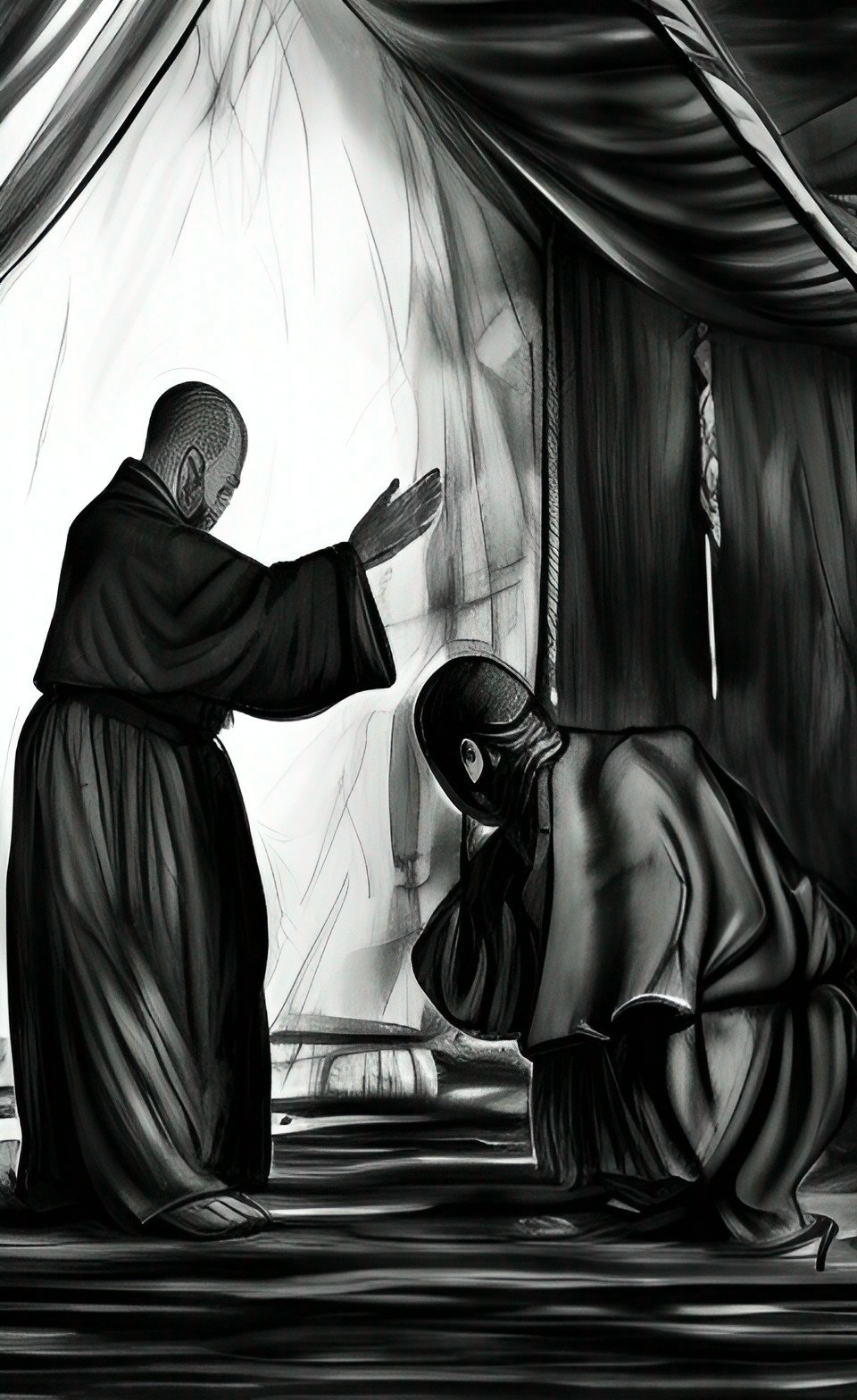
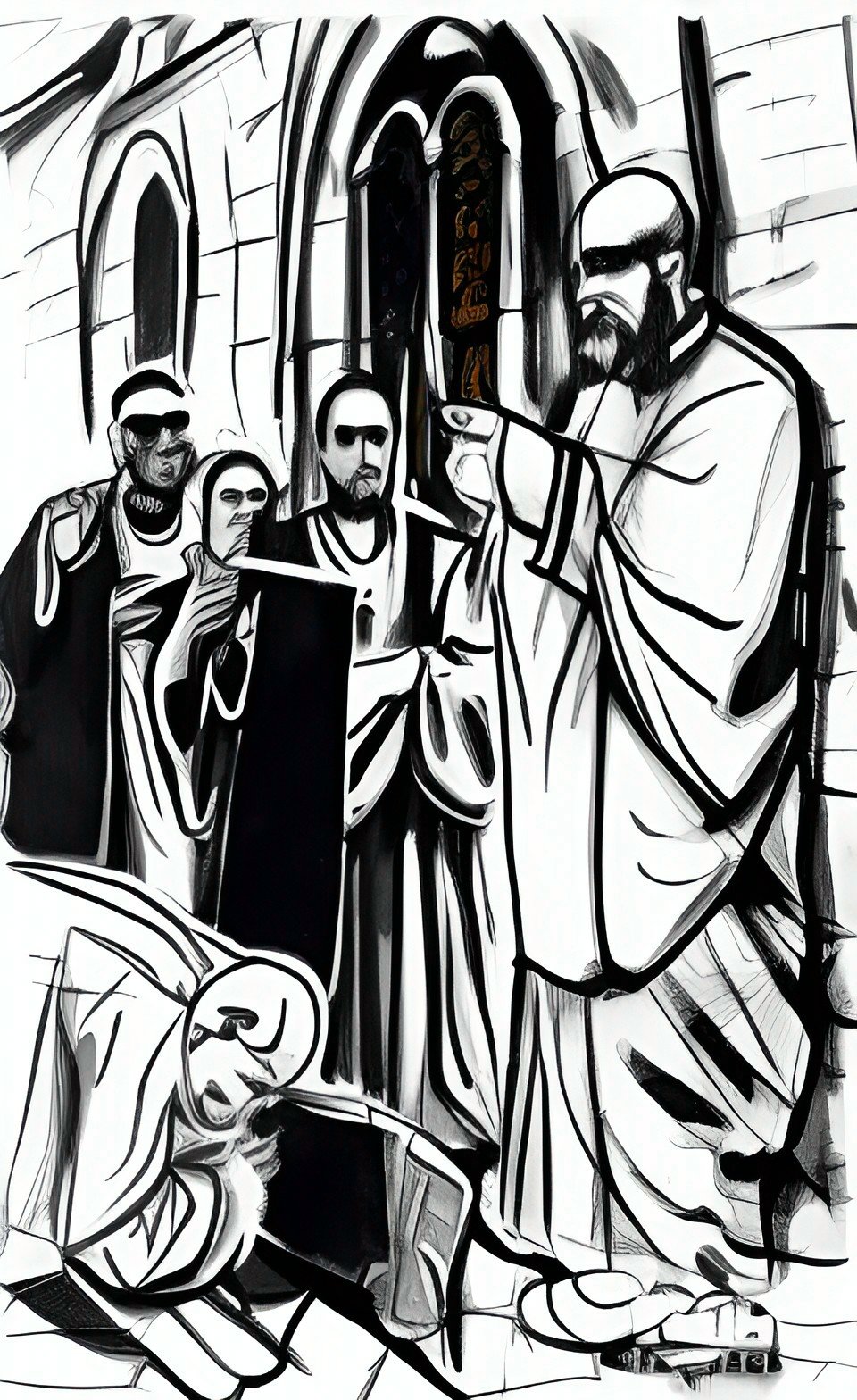
This is a spell that typically requires cooperation and participation by the Player and Game Master in order to determine the exact cost, effect, and duration. Examples of Ceremonies include consecration of new houses of worship (church, temple, etc.), marriages, funerals, baby blessings, initiations, ordinations, and the blessing of ritual objects (such as an altar or a chalice).

Consecrating a new church/temple will typically cause the building to faintly radiate an enchantment signature in the same alignment as the venerated deity. But the Player and GM could also collaborate to give this ritual additional powers.

Blessing a marriage is typically symbolic and publicly affirming. However, the Player/GM could collaborate to design additional powers into the spell. For instance, the marriage ritual could bestow an additional 5% empathy between the married couple.

Blessing a baby is likewise usually just symbolic and publicly affirming. But perhaps the Player/GM would want to design a protection factor into the ritual, such as a ward against disease for the child's first year of life.

The same collaboration could apply for initiations/ordinations, funerals, blessing of tools, blessing of animals, blessing of crops, or any other kind of day-to-day ritual that a Priest may be called upon to complete. A good rule of thumb is for the Game Master to limit the effect of a Ceremony to a power level appropriate to the Priest character. For example, a 15th-level Priest could conduct a more powerful Ceremony than a 5th-level Priest. Likewise, using Ceremony to duplicate the power of an existing Priest spell is permitted -- just use the cost/duration/potency of the existing spell. The Player may wish to do so for role-playing purposes (such as designing a church service centered on healing).  However, Ceremony should never be permitted to duplicate the signature power of another character class. For example, Ceremony should never be allowed to animate a Construct (Mathematician), alter time when using a missile weapon (Gunslinger), commune with the deceased (Speaker for the Dead), or attack a wide variety of enemies at once via song (Wishsinger).

Changes from the printed (book) version: This spell now allows the Player and Game Master to collaborate in making custom-designed rituals.

Cure Disease12 SP | The Priest can cure diseases Permenant.

Cure DiseaseCure Disease

Prayer: 1 round
Spirit Cost: 12 points
Range: 1// line of sight (can also be touch)
Duration: Permanent
Area of Effect: One person (can be the Priest)
Classification: Healing

An often-overlooked hazard to adventuring is exposure to diseases. There are ordinary (yet very inconvenient) diseases such as the common cold or flu. Certain magically caused diseases (most notoriously associated with Necromancer spells) can sap secondary attributes. Certain natural diseases (such as cancer from radiation poisoning) can kill. Likewise, sustaining injuries from certain kinds of Undead can transmit a fatal disease.

Thankfully, a Priest can call upon divine power to cure the many kinds of diseases that threaten his allies or the community at large.  At low levels, the Priest can only cure non-fatal diseases.  At higher level, however, the Priest can cure more serious diseases.

When the Priest casts this spell, the recipient falls into a deep coma from which he/she cannot be roused until the healing process completes. When the person awakens, he/she may feel exhausted (and possibly hungry) but also emerges from the coma disease-free. The power to cure increases as the Priest ascends in level.

  • Levels 1 to 4: Healing coma lasts 5 hours; cures food poisoning; stomach viruses; common cold; flu; cholera; and other ordinary inconvenient diseases.
  • Levels 5 to 9: Healing coma lasts 4 hours; cures non-fatal magical illnesses that deplete secondary attributes; cures serious illnesses such as blood infection, dental abscess, bronchitis, etc.
  • Levels 10 to 14: Healing coma lasts 3 hours; cures life-threatening illnesses such as kidney failure, congestive heart failure, diabetes, etc. Cures Undead Spiral and other diseases transmitted by members of the Undead.
  • Levels 15 to 19: Healing coma lasts 2 hours; Cures fatal diseases.
  • Levels 20 and up: Healing coma lasts 1 hour; cures fatal diseases and also removes 25% of the radiation burden from the recipient.

Changes from the printed (book) version: The level of healing scales in proportion with the Priest's level.
Cure Paralysis12 SP | The Priest can cure paralysis in one person. Permanent.

Cure ParalysisCure Paralysis

Prayer: 1 round

Spirit Cost: 12 points

Range: Touch

Duration: Permanent

Area of Effect: One person (can be the Priest)

Classification: Healing

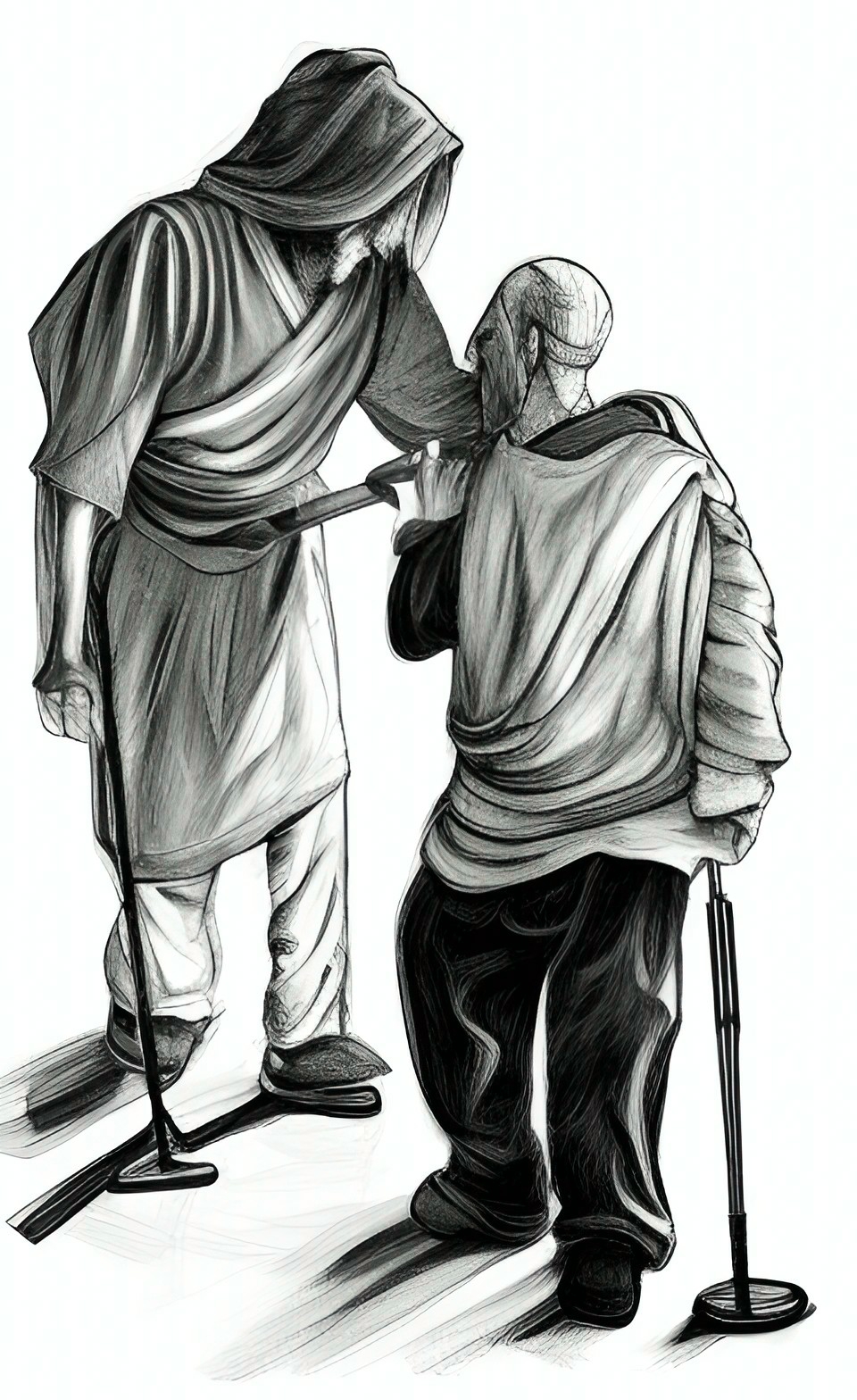
For the Intrepid Adventurer, there are plenty of physical hazards that augment the usual threat of zombies and highwaymen. A less common (but very real) threat involves injuries that cause paralysis. Perhaps an adventurer has been shot in the back. Or perhaps a disease has caused paralysis (a spell that cures diseases may neutralize the contagion, but sometimes the damage remains). And sometimes an adventurer just has bad luck, such as having a near-fatal fall from a horse or a rooftop. Regardless, the Priest can call upon divine power to grant healing to someone robbed of mobility.


The spell does not provide instant relief, but instead causes slow, incremental regeneration over a period of several weeks. Physical sensation returns first, then crude movement, then fine motor control. Physical strength returns last. The period of recovery shortens as the Priest advances in level.


·       Levels 1 to 4: Full healing takes 5 weeks
·       Levels 5 to 9: Full healing takes 4 weeks
·       Levels 10 to 14: Full healing takes 3 weeks
·       Levels 15 to 19: Full healing takes 2 weeks
·       Levels 20 and higher: Full healing takes 1 week


Changes from the printed (book) version: This revised spell combines three spells from the old book. The spell scales with the Priest's level instead of relying on separate-Tier spells.
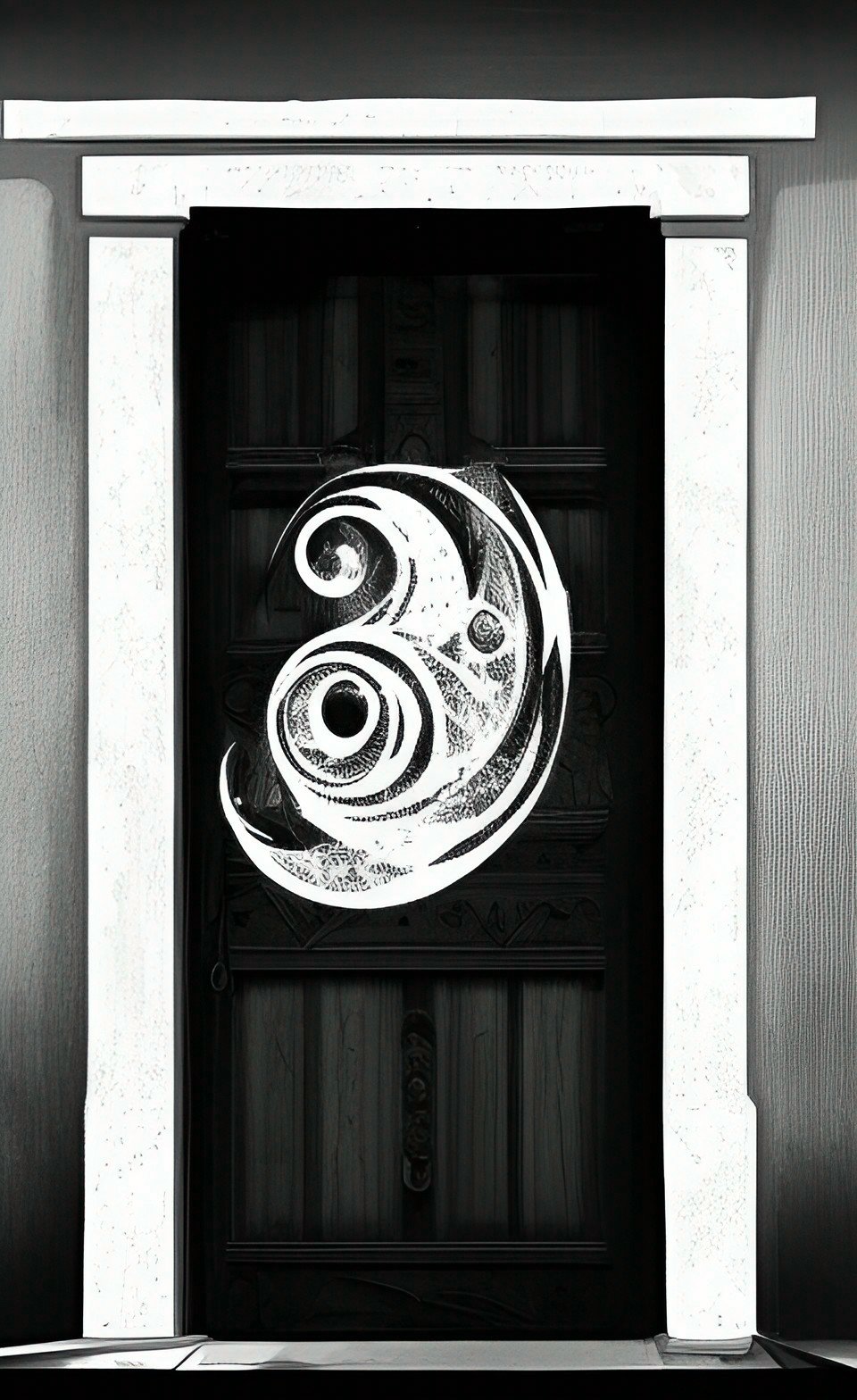
Fortify Door18 SP | Wards a door against siege or burglars. 1 day/level.

Fortify DoorFortify Door

Prayer: 1 round
Spirit Cost: 18
Range: Touch
Duration: 1 day per level
Area of Effect: Can be a door, window, gate, grate, or portal
Classification: Enhancement or Utility

In a world where resources are often scarce, thieves often find the lure of easily stolen goods too tempting to pass up. Likewise, an invading army might seek to look another city's stores of food and supplies. And, of course, not all religious groups get along -- and that sometimes results in break-ins for the purpose of vandalism and desecration. Fortunately, Priests can call upon divine power to temporarily ward a window, door, or other means of entry. A warded door (or other portal) gains an additional Structural Point, +1 to AC, and has a 10% resistance to lock picking. Thus, a Thief with a 55% chance to pick locks would only have a 45% chance to pick the lock on a fortified door, grate, gate, or window. The efficacy of this spell increases as the Priest ascends in level.

    • Levels 1 to 4: Warded portals have +1 AC, -10% penalty to pick locks, and 1 additional structural point.
    • Levels 5 to 9: Warded portals have +2 AC, -20% penalty to pick locks, and 1 additional structural point.
    • Levels 10 to 14: Warded portals have +3 to AC, -30% penalty to pick locks, and 2 additional points.
    • Levels 15 to 19: Warded portals have +4 to AC, -40% penalty to pick locks, and 2 additional structural points.
    • Levels 20 and higher: Warded portals have +5 to AC, -50% penalty to pick locks, and 3 additional structural points.

Changes from the printed (book) version: The spell has been rewritten to reinforce doors instead of destroying them.
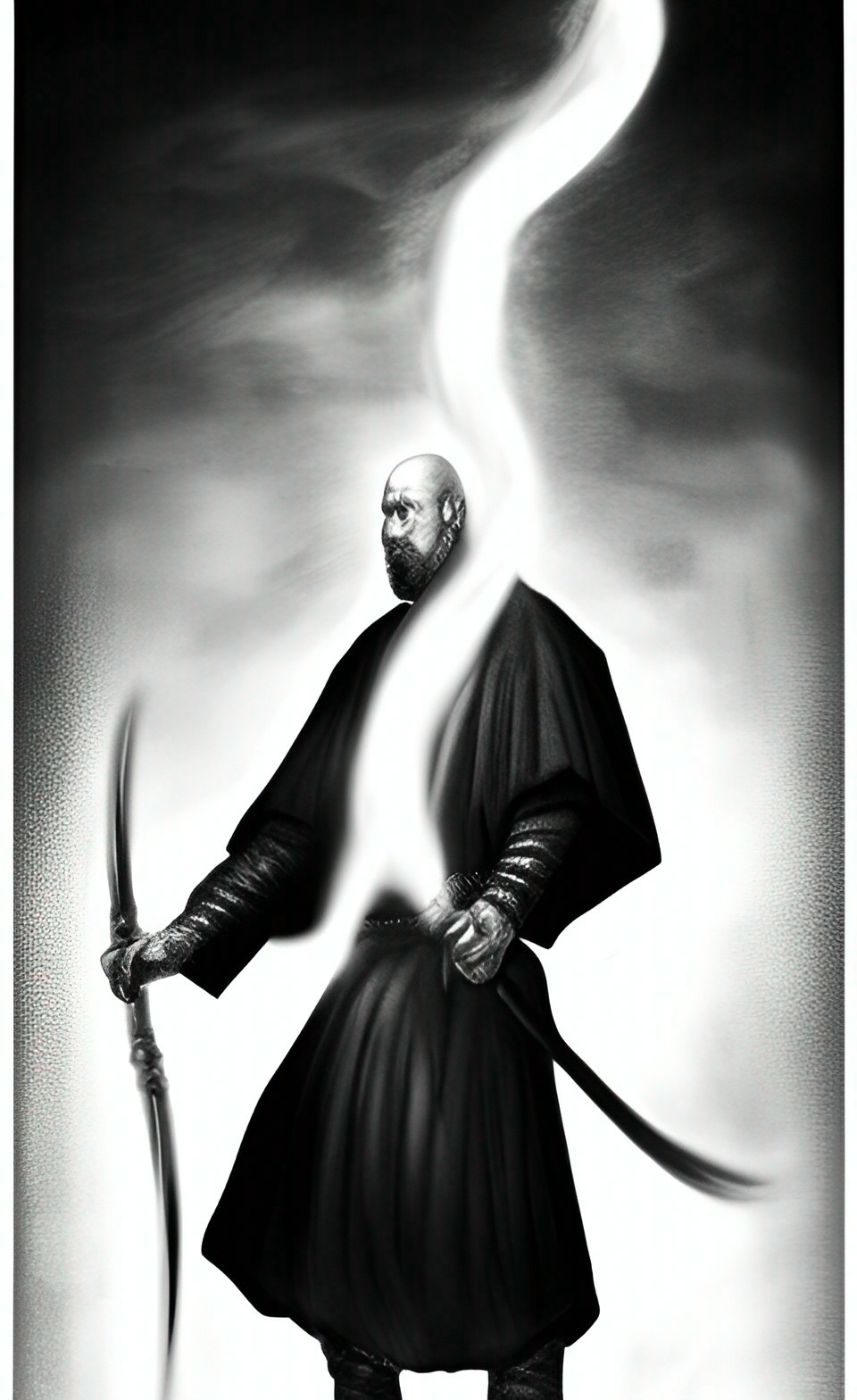

Holy Whip15 SP | Conjures a whip for... whipping. 1 round/level.

Holy WhipHoly Whip

Prayer: 3 segments

Spirit Cost: 15 points

Range: Internal to the Priest

Duration: 1 round per level

Area of Effect: The conjured whip

Classification: Combat


Many (but not all) Priestly traditions forbid the use of edged weapons. Certainly, the seminaries dedicated to the True One and Saint Eldra teach their priestly students to not shed blood unless it is completely unavoidable. And even when it cannot be avoided, the weapons of choice are blunt or bludgeoning weapons. To that end, the Priest can call upon the powers of the Light to grant him/her temporary access to a spiritual whip for use in battle.


An entry-level Holy Whip inflicts 1d4 damage, has a whipping range of 5', has an initiative modifier of 1 (since it is a spiritual manifestation), and shimmers with a glow equivalent to a torch. It is shaped like a whip but will never be confused as an ordinary whip. Additionally, the whip allows the Priest to strike using Ranged Touch Attack instead of the Priest's ordinary BAtCh. Thus, the Priest is much more likely to successfully hit a target with this weapon than with his/her usual physical weapon.


The power of the Holy Whip increases as the Priest ascends in level.

    • Levels 1 to 4: The whip inflicts 1d4 damage; 5' whipping range.
    • Levels 5 to 9: The whip inflicts 2d4 damage; 6' whipping range.
    • Levels 10 to 14: The whip inflicts 3d4 damage; 7' whipping range; manifests as a silver weapon if needed.
    • Levels 15 to 19: The whip inflicts 4d4 damage; 8' whipping range; manifests as a silver or cobalt weapon if needed.
    • Levels 20 or higher: The whip inflicts 5d4 damage; 10' whipping range; manifests as a silver or cobalt weapon as needed.

It is worth remembering that Undead are vulnerable to silver weapons whilst incorporeal spirits are vulnerable to cobalt weapons. Should an incorporeal spirit not have a hit point rating, the damage inflicted is spirit point depletion.

An Undead Priest can use this spell. However, at higher levels wherein the whip manifests with silver properties, the Priest would be well-advised to wear gloves when invoking.

Changes from the printed (book) version: The power of the spell scales to the Priest's level. At higher levels, the spell can manifest a whip of silver or cobalt. 
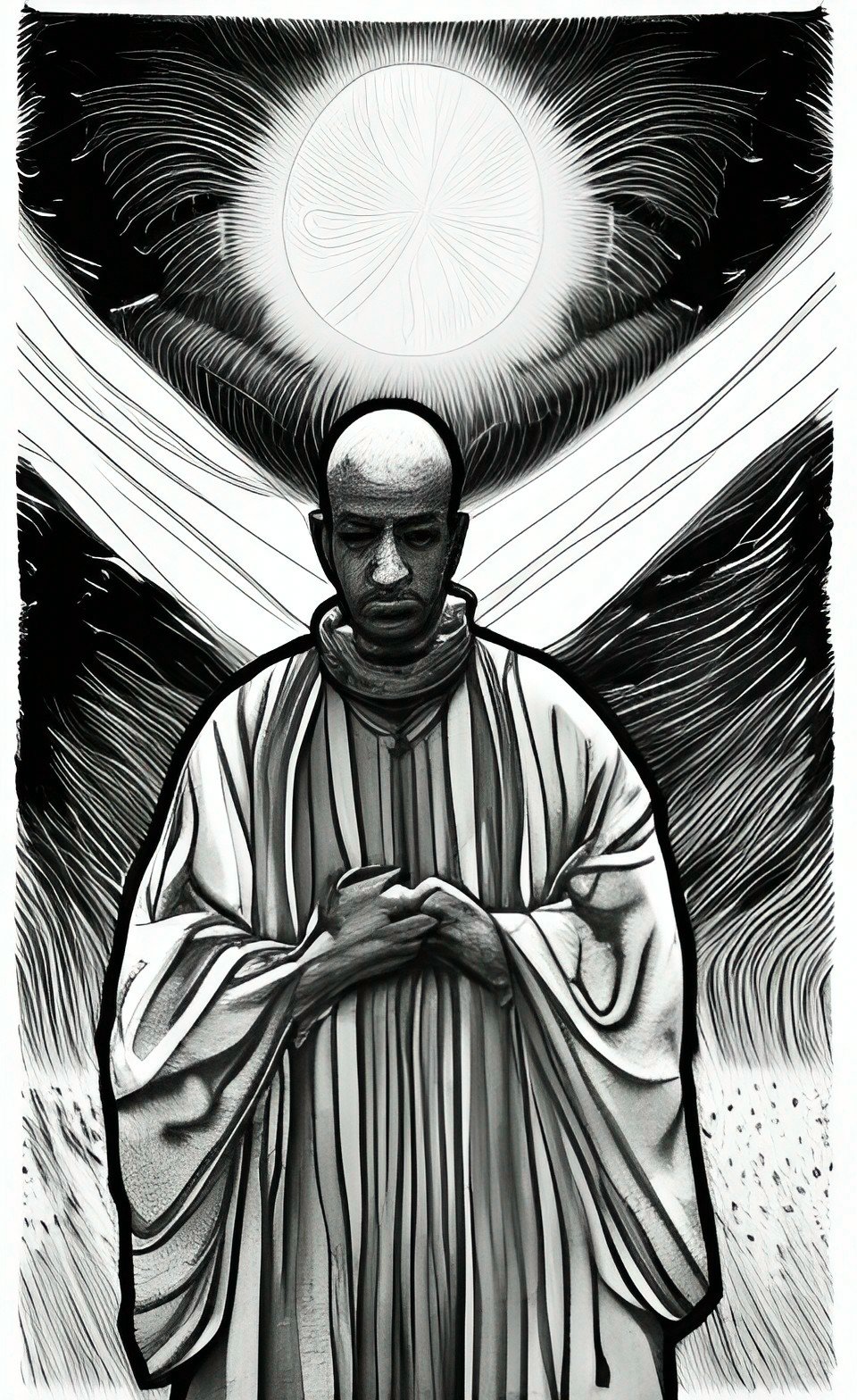
Peaceful Mind10 SP | Supresses mental illnes and panic. 1 day/level.

Peaceful MindPeaceful Mind

Prayer: 1 round
Spirit Cost: 10
Range: Touch
Duration: 1 day per level
Area of Effect: One person (can be the Priest)
Classification: Healing

The horrors of the broken world are often enough to drive a person mad. Likewise, certain races have innate phobias. For examples, Changelings are claustrophobic, and Dwarves fear deep water. For triggered mental illnesses (i.e., the person is asymptomatic unless certain conditions are met), this spell grants the recipient a bonus to any Panic check that would trigger a relapse of the mental illness. At low levels, the bonus is +2 to Panic. However, the bonus increases as the Priest advances in level. Moreover, the spell grants an additional +1 bonus if the Priest also has the Counseling noncombat proficiency.

    • Levels 1 to 4: Recipient gains +2 to Panic.
    • Levels 5 to 9: Recipient gains +4 to Panic.
    • Levels 10 to 14: Recipient gains +6 to Panic.
    • Levels 15 to 19: Recipient gains +8 to Panic.
    • Levels 20 and higher: Recipient gains +10 to Panic.

Changes from the printed (book) version: The spell now lasts days per level and the power scales to the level of the Priest.
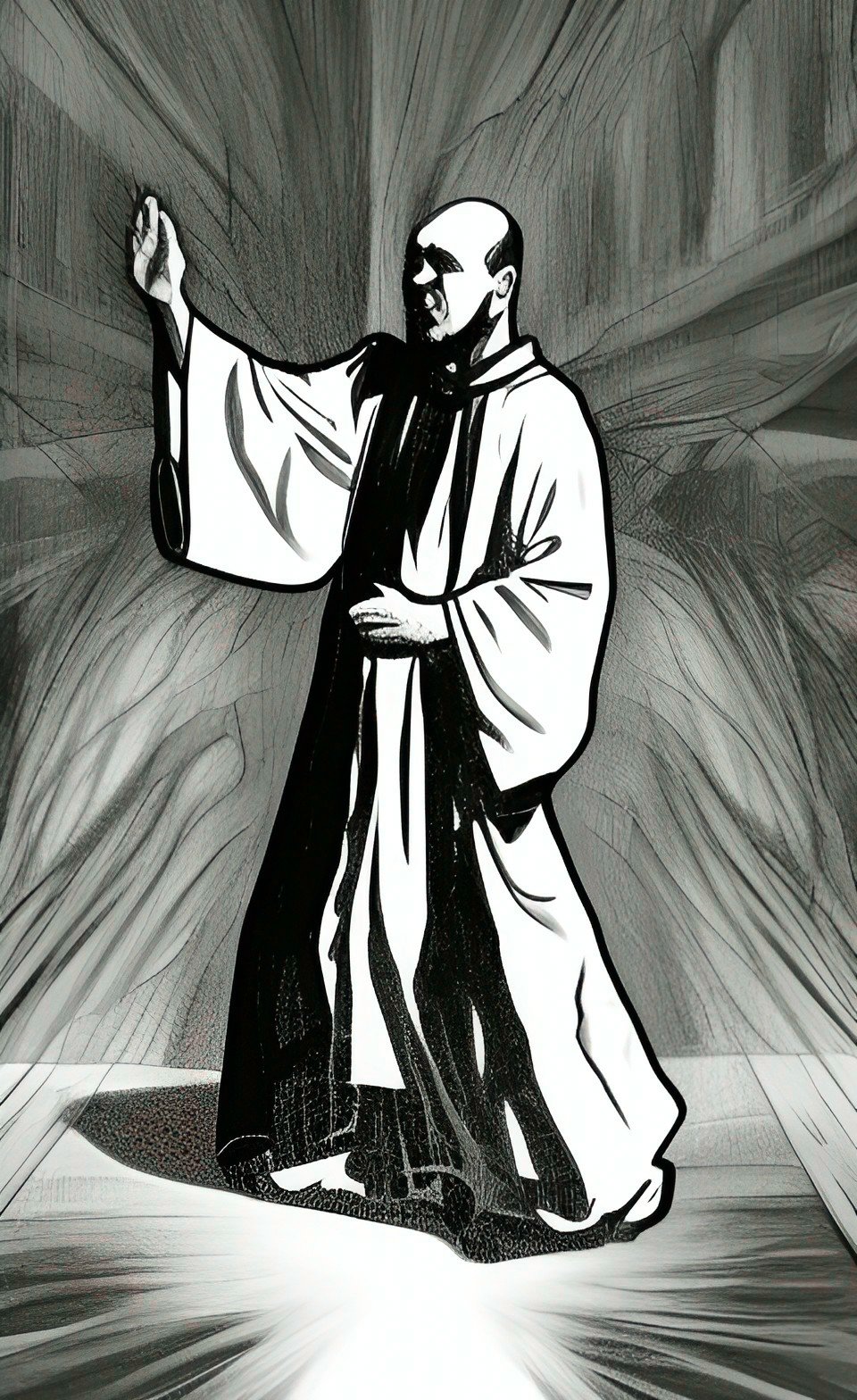
Rebuke5 SP | The target is stunned by his/her own sin. 1 round/level.

RebukeRebuke

Prayer: 5 segments

Spirit Cost: 10 points

Range: 6// within range of target's hearing

Duration: 1 round per level

Area of Effect: One person

Classification: Charm or Mind

The power of the Light reveals secrets hidden in the darkness. And so it is that a Priest can challenge his foe by calling attention to his enemy's moral turpitude.  When the Priest rebukes his foe, he/she becomes temporarily lost in introspection and contemplation. The net effect it that the target is in a waking (yet dreamlike) state that precludes all other actions. The target does, of course, have the possibility of avoiding this spiritual reverie by making a successful Save vs Sleep/Charm. Additionally, a dispel magic (or similar power) has the possibility of terminating this spell. Likewise, intervention by an empath could also awaken the target from his/her stupor.


This spell cannot be used as a “murder” spell. It the target is attacked in any way that inflicts damage; the spell ends immediately. While the Priest usually guesses as to the nature of his foe's moral inequity, it should be known that the spell lasts twice as long if the Priest guesses correctly. Likewise, the saving throw gets more difficult as the Priest ascends in level.

·       Levels 1 to 4: Save vs Sleep/Charm is unmodified.

·       Levels 5 to 9: Save vs Sleep/Charm is penalized at -2.

·       Levels 10 to 14: Save vs Sleep/Charm is penalized at -4.

·       Levels 15 to 19: Save vs Sleep/Charm is penalized at -6

·       Levels 20 and higher: Save vs Sleep/Charm is penalized at -8.


Changes from the printed (book): This spell has been rewritten as a "stun' spell instead of a "damage" spell.
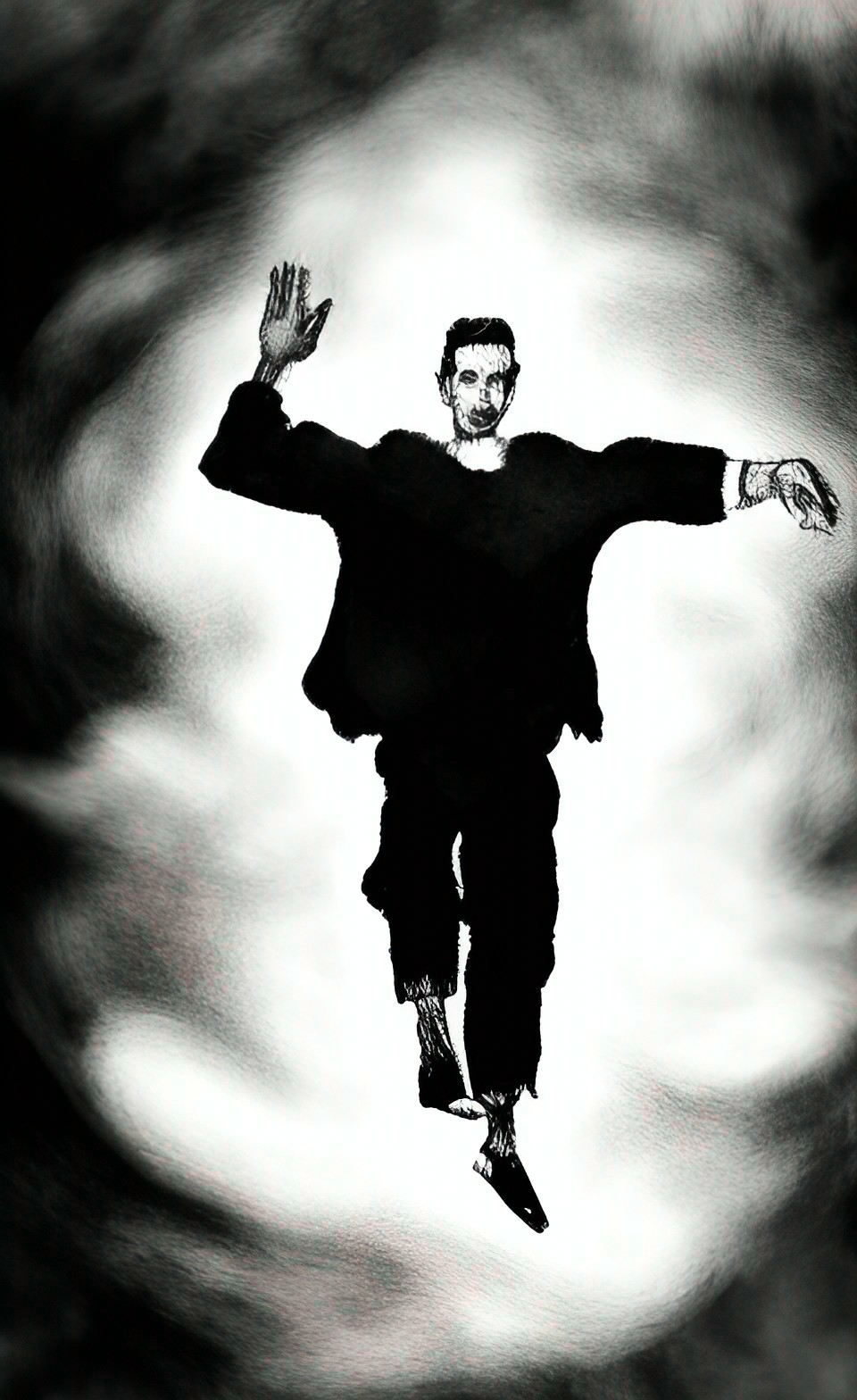
Uplift16 SP | Grants basic levitation for 1 round/level.

UpliftUplift

Prayer: 1 segment
Spirit Cost: 16
Range: Internal to the Priest
Duration: 1 round per level
Area of Effect: The Priest (and possible additional people at higher levels)
Classification: Utility or Elemental Air

There are many legends concerning prophets, ascended masters, and incarnate deities ascending into the heavens when their worldly tasks were finished. For a Priest of the Light, however, sometimes a boost is needed long before one's worldly mission is complete. Uplift grants the Priest a basic form of levitation. The Priest can ascend or descent at the same speed as walking and can change direction in the X or Y axis at half the speed of walking. Likewise, the Priest can turn 360 degrees in one round. This power is particularly useful for not dying when falling off a cliff or rooftop. Likewise, it makes for a fine backup in the event of a parachute failure or if the floorboards of an abandoned warehouse collapse under one's feet. Should the spell expire before the Priest has made a purposeful landing, the spell will still prevent the Priest from taking fatal injury. Instead, the Priest will fall at such a rate in which the landing may be uncomfortable and graceless but will not inflict damage.

At the entry level, this spell affects only the Priest. At higher levels, however, the Priest can levitate one or more companions. The requirement is that the levitated companions maintain physical contact with the Priest (usually via holding on to a hand, foot, or grasping the Priest around the waist.)

    • Levels 1 to 4: Only the Priest is levitated.
    • Levels 5 to 9: The Priest can levitate one additional companion.
    • Levels 10 to 14: The Priest can levitate two additional companions.
    • Levels 15 to 19: The Priest can levitate three additional companions.
    • Levels 20 and higher: The Priest can levitate four additional companions.

Changes from the printed (book) version: This spell has been rewritten from scratch and replaces "Jacob's Ladder".
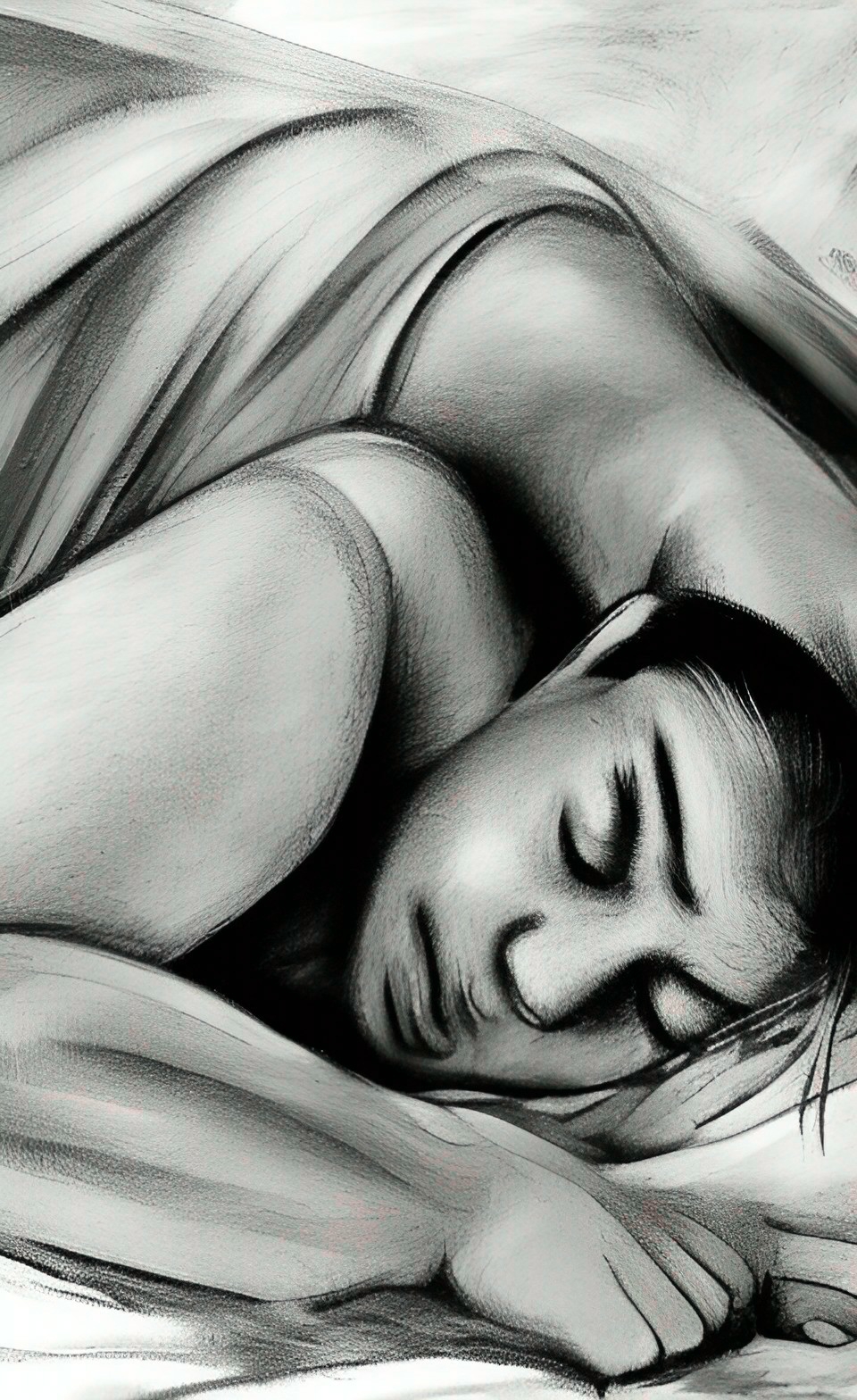
Watchful Sleep4 SP | Grants a regnenerative sleep. Up to 8 hours.

Watchful SleepWatchful Sleep

Prayer: 1 round
Spirit Cost: 15
Range: Touch
Duration: Up to 8 hours
Area of Effect: One person, initially; can be the Priest
Classification: Healing or Utility

One of the challenges that adventurers often face is how to get a good night's sleep when one can be attacked by Undead or Highwaymen at any time. With this spell, however, the target can fall into a deep and restful sleep from which he/she can immediately awaken from if an enemy approaches. The mechanics of the spell are such that the target can make a standard Perception check to awaken if there are any stimuli that he/she would have reasonably noticed while awake.  The Game Master can always impose penalties on a case-by-case basis, such as an enemy employing stealth. If the Perception check fails, the target of the spell continues to sleep. Of course, if the encroaching enemy keeps making noise, additional Perception checks may be in order.

Whilst sleeping under the power of Watchful Sleep, depleted secondary attributes regenerate at twice the normal rate. Moreover, the target of this spell regains one additional hit point of natural healing due to being properly rested (there are certain injuries that require natural healing and do not respond to potions or healing spells). This spell does not work on creatures that are incapable of sleep, such as Constructs and ordinary Undead.  Certain high-functioning Undead do experience a phenomenon similar to sleep (called "regenerative slumber"). Once cast, the target gradually becomes drowsy over a period of several rounds. It cannot be used on an unwilling target.

    • Levels 1 to 4: One person is affected; Perception check is unmodified.
    • Levels 5 to 9: Two people can be affected; Perception check to awaken is +2.
    • Levels 10 to 14: Three people can be affected; Perception check to awaken is +4; +2 hit points naturally healed.
    • Levels 15 to 19: Four people can be affected; Perception check to awaken is +6; +3  hit points naturally healed.
    • Levels 20 or higher: Five people can be affected; Perception check to awaken is +8; +4 hit points naturally healed.

Changes from the printed (book) version: This spell replaced "Master of Dreams" and has been rewritten to be a "sleep while on yellow alert" spell.


 Things to Consider

  • Priests are often paired with Protectors. Priests are willing to face danger to stand against evil and oppression and Protectors help them survive long enough to accomplish their missions.

  • Priests rely on faith and their connection with the Divine. Therefore their spells expend Spirit Points and not BMS.

  • Priests are usually not materialistic. They will tend, however, to buy items that are durable and not shoddily made.

  • A Priest has the most potent healing capabilities and the greatest power to turn away the Undead.

  • Priests are generous but they are not stupid in their generosity. They will not hand coins to a cardboard-carrying bum that is wearing designer shoes.

  • Priests are relatively weak in missile/melee combat but they do wield powerful defensive/healing magic.

Column


Column


ctodd@gaianar.com


  • Home
  • Downloads
  • Rules for Players
  • Spiritual Powers


Copyright 1991-2021 World of Gaianar - Version 3.0

Written and Designed by Christopher Todd

Co-Designed by Matthew Hannum


close lightbox